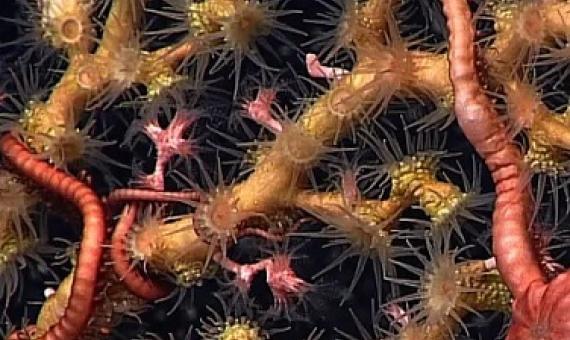
Sir David Attenborough has urged governments to ban deep sea mining, following a study warning of “potentially disastrous” risks to the ocean’s life-support systems if it goes ahead.
Sir David Attenborough has urged governments to ban deep sea mining, following a study warning of “potentially disastrous” risks to the ocean’s life-support systems if it goes ahead.
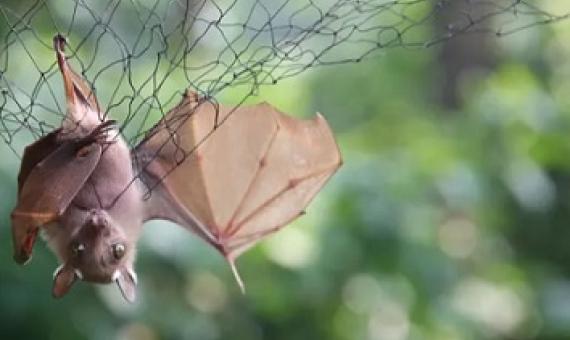
As habitat and biodiversity loss increase globally, the coronavirus outbreak may be just the beginning of mass pandemics. Research suggests that outbreaks of animal-borne and other infectious diseases such as Ebola, Sars, bird flu and now Covid-19, caused by a novel coronavirus, ar
This report summarises the first results of the Global Futures initiative – a partnership between WWF, the Global Trade Analysis Project and the Natural Capital Project – which has developed an innovative new model to calculate the impacts of nature’s decline on the world’s economies, trade and industry. The research is timely and poses a stark warning to us all – that unless we reverse nature loss, trillions of dollars will be wiped off the world’s economies, industries will be disrupted and the lives of millions will be affected.
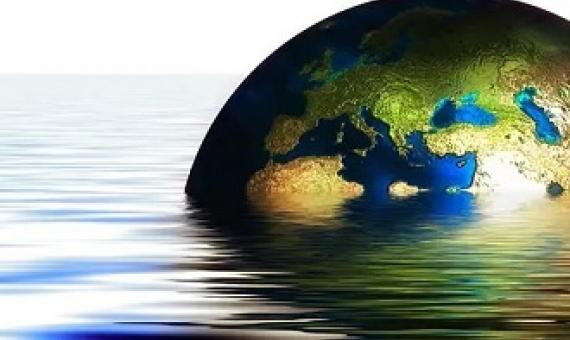
The issue of global biodiversity loss is so intense in the present era that it cannot be ignored as according to the reports of Intergovernmental Science-Policy Platform on Biodiversity and Ecosystem Services (IPBES), due to human actions an average of around 25 percent of species in assessed ani
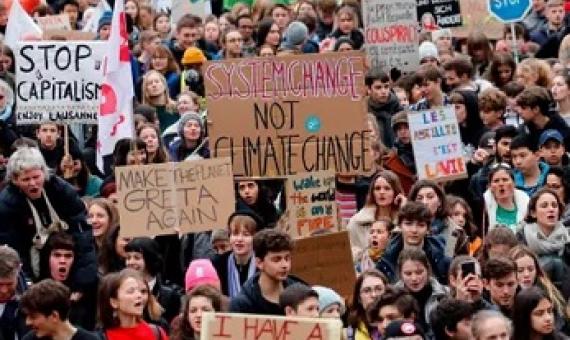
World leaders and business chiefs meeting in Davos this week will be confronted for the first time with an agenda on which the climate and ecological crises take top billing.
This brochure drew significantly from a technical publication by Deda et al. (submitted for publication to Natural Resources Forum), the Millennium Ecosystem Assessment report on Island Systems by Wong et al. 2005, the report of the Ad Hoc Technical Expert Group on Island Biodiversity, which met in Tenerife in 2004 and the draft programme of work on island biodiversity adopted by the Subsidiary Body for Scientifc, Technical and Technological Advice (SBSTTA) at its tenth meeting in 2005
Marine invasive species are currently recognized as one of the major direct causes of biodiversity loss and changes in ecosystem provisioning and supporting services. This dataset documents the recent progress in addressing their growing threat to ocean biodiversity and ecosystems.
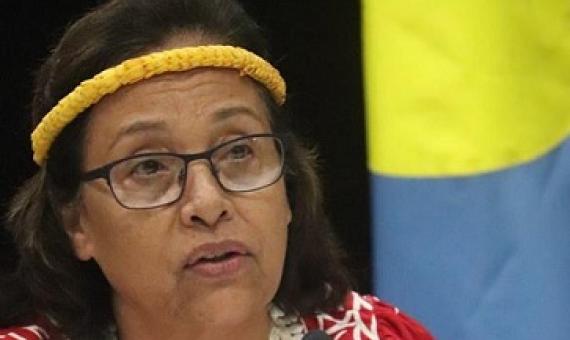
The caretaker president of the Marshall Islands says it's unconscionable that the United States kept secret key information about its nuclear tests for decades.
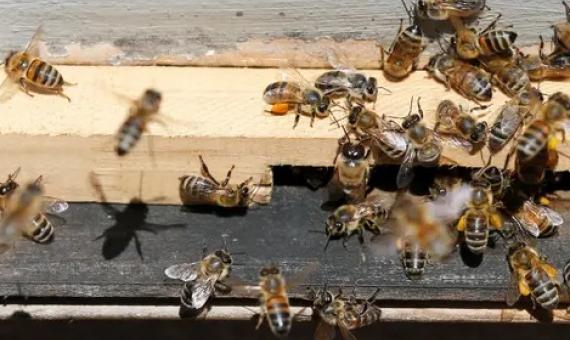
The “unnoticed insect apocalypse” should set alarm bells ringing, according to conservationists, who said that without a halt there will be profound consequences for humans and all life on Earth.
Biodiversity offsets (BO) are increasingly promoted and adopted by governments and companies worldwide as a policy instrument to compensate for biodiversity losses from infrastructure development projects. To provide a framing for understanding the empirical diversity of BO policy designs, we present an ideal-typical typology based on the institutions from which BO is organised: Public Agency, Mandatory Market and Voluntary Offset.