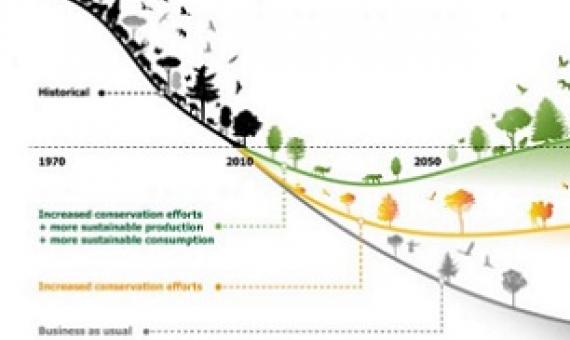
The fifth edition of the UN’s Global Biodiversity Outlook report...provides an overview of the state of nature worldwide. Factors like man’s current relationship with nature, continued biodiversity loss and the ongoing degradation of ecosystems are having profound consequences for human well
Protected areas are considered the most important tool for curbing the ongoing biodiversity loss, but a lack of field data hampers efforts to measure how effective they are in practice.
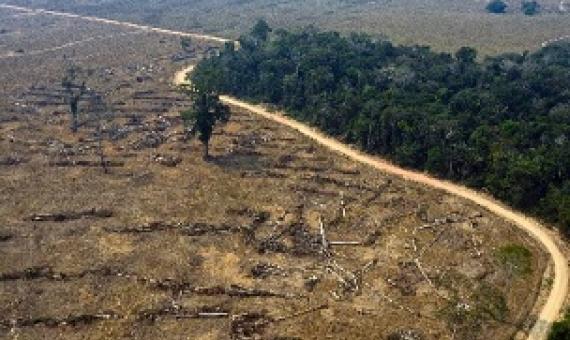
Countries are set to miss all of the targets they set themselves a decade ago to preserve nature and save Earth's vital biodiversity, the United Nations said Tuesday. Humanity's impact on the natural world over the last five decades has been nothing short of cataclysmic: since 1970
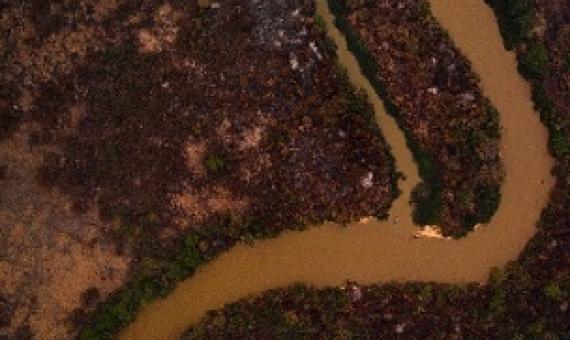
The smell of burnt vegetation and the red glow of flames welcome visitors these days to the Pantanal, the world's biggest tropical wetlands—a biodiverse paradise that is now partly reduced to ashes by record wildfires...The Pantanal sits at the southern edge of the Amazon rainforest, stretching f
Cost-effective priorities for the expansion of global terrestrial protected areas: Setting post-2020 global and national targets
Biodiversity loss is a social and ecological emergency, and calls have been made for the global expansion of protected areas (PAs) to tackle this crisis. It is unclear, however, where best to locate new PAs to protect biodiversity cost-effectively. To answer this question, we conducted a spatial meta-analysis by overlaying seven global biodiversity templates to identify conservation priority zones. These are then combined with low human impact areas to identify cost-effective zones (CEZs) for PA designation.
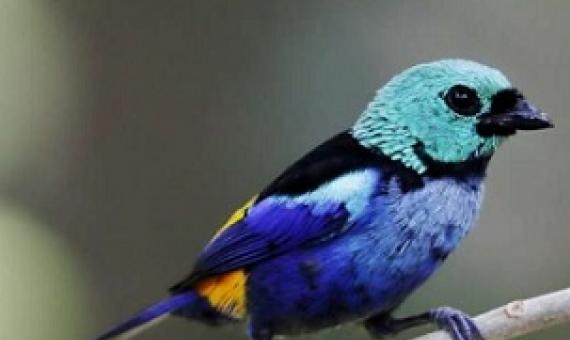
Plant and animal species across the world are steadily disappearing due to human activity.
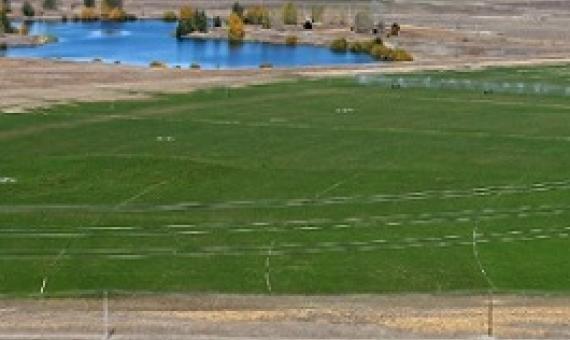
Forest & Bird is welcoming new protected areas as a starting point for improving protection of the Mackenzie Basin, but lamenting the vast areas which remain unprotected.
Nature-based solutions for adapting to water-related climate risks
Countries are facing a pressing, complex and interlinked set of environmental crises. While significant government resources and capacities need to focus on managing the social and economic consequences brought on by efforts to manage the COVID-19 pandemic crisis, the global environmental challenges of climate change and biodiversity loss remain urgent. Recent major international reports (e.g.
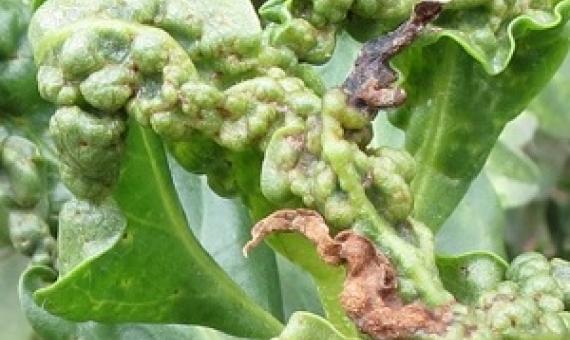
An increase of 20 to 30 percent of invasive alien species will lead to dramatic future biodiversity loss worldwide by 2050.
As the COVID-19 pandemic rages on across the globe, the linkages between ecosystem degradation and the loss of biodiversity, and the emergence of infectious diseases, was discussed during the final session in the Secretariat of the Pacific Regional Environment Programme’s (SPREP) webinar series “