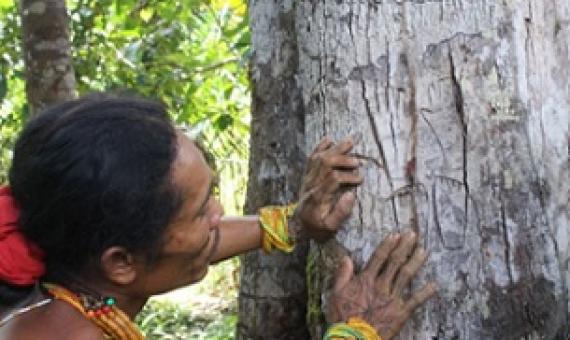
To deal with climate change and biodiversity loss effectively and equitably, conservation needs to adopt a human rights-based approach, according to a new report co-authored by Indigenous and community organizations across Asia.
To deal with climate change and biodiversity loss effectively and equitably, conservation needs to adopt a human rights-based approach, according to a new report co-authored by Indigenous and community organizations across Asia.
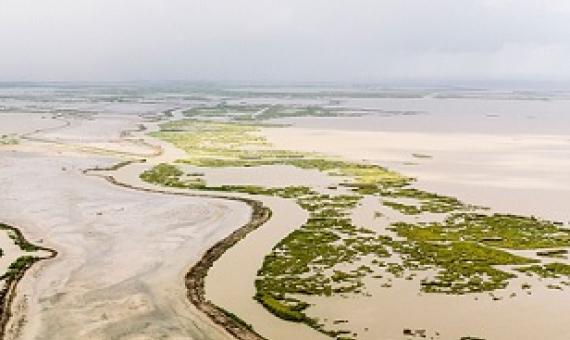
In the Torres Strait, between Australia and Papua New Guinea, lies Bramble Cay—a small, low-lying sandy island once home to a chubby-cheeked, brown rat found nowhere else in the world called the Bramble Cay melomys.
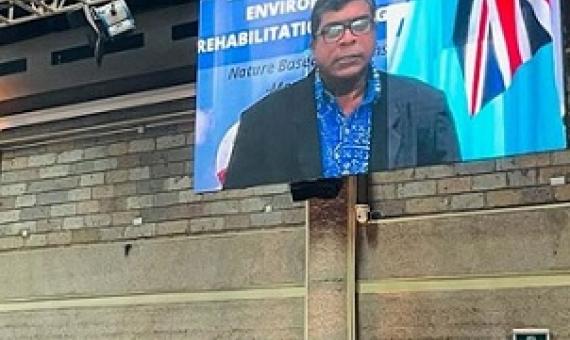
The Minister for Agriculture Dr Mahendra Reddy says Fiji is working tirelessly to protect, manage and restore its ecosystems by actively promoting and incorporating Nature-Based Solutions in its ever-increasing disaster management models.
Land use is central to addressing sustainability issues, including biodiversity conservation, climate change, food security, poverty alleviation, and sustainable energy. In this paper, we synthesize knowledge accumulated in land system science, the integrated study of terrestrial social-ecological systems, into 10 hard truths that have strong, general, empirical support. These facts help to explain the challenges of achieving sustainability in land use and thus also point toward solutions.

A new report released today in the Proceedings of the National Academy of Sciences of the United States of America (PNAS) is a call to action for policymakers worldwide seeking to develop sustainable and equitable solutions to our most urgent global challenges.
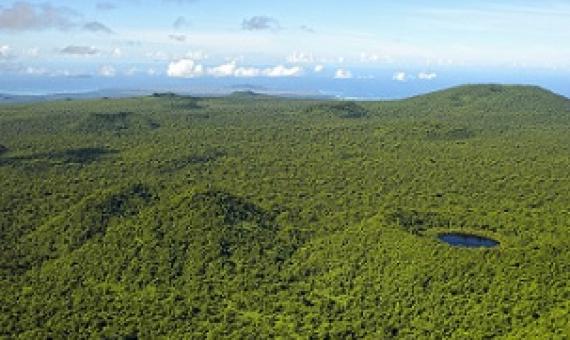
A new action plan to halt biodiversity loss needs scientific specialists to work with those who study how governments function...The GBF is a comprehensive plan. But success will require systemic change across public policy. That is both a strength and a weakness.
The history of life on Earth has been marked five times by events of mass biodiversity extinction caused by extreme natural phenomena. Today, many experts warn that a Sixth Mass Extinction crisis is underway, this time entirely caused by human activities.

Predator species may buffer the negative impacts of climate change by mitigating against the loss of biodiversity, according to new research led by scientists in Trinity College Dublin and Hokkaido University.
Oceanic islands harbour a disproportionately high number of endemic and threatened species. Rapidly growing human populations and tourism are posing an increasing threat to island biota, yet the ecological consequences of these human land uses on small oceanic island systems have not been quantified. Here, we investigated and compared the impact of tourism and urban island development on ground-associated invertebrate biodiversity and habitat composition on oceanic islands.

We are facing global biodiversity and climate crises. It is estimated that one million species are threatened with extinction, with the drivers of biodiversity loss due to the direct or indirect results of unsustainable human action.