The United Nations Decade on Ecosystem Restoration 2021–2030 (hereafter “UN Decade”) aims to prevent, halt and reverse ecosystem degradation and recover biodiversity, and ecosystem integrity; enhance human health and well-being, including sustainable delivery of ecosystem goods and services; and
Pacific Island communities are heavily dependent on fisheries for subsistence and livelihoods. Yet, despite their importance, coastal fisheries are poorly managed and commercial pressures increasingly threaten them.
The Kunming-Montreal Global Biodiversity Framework, adopted in 2022, provides a framework for the effective implementation of the Convention on Biological Diversity (CBD) through four goals and 23 targets.
It is essential to ensure the effectiveness of current conservation efforts to meet the interconnected crises of biodiversity loss, habitat degradation, and climate change.
Rigorous analysis of opportunities to expand nature conservation can help determine where natural capital could have the biggest impact on climate, jobs, and health.
This report – the second in a series of International Labour Organization (ILO)–United Nations Environment Programme (UNEP)–International Union for the Conservation of Nature (IUCN) publications on decent work in nature-based solutions (NbS) – aims to improve the understanding of the role of NbS
The Global Biodiversity Standard is the world’s most scientifically rigorous biodiversity certification that recognises and promotes the protection, restoration, and enhancement of biodiversity.
The GlobalUsefulNativeTrees species selection App combines species data from the Botanic Gardens Conservation International GlobalTreeSearch database (GTS) ( website ; Beech et al. 2017 ) with data available from the World Checklist of Useful Plant Species (WCUPS) ( Diazgranados et al. 2020 ).
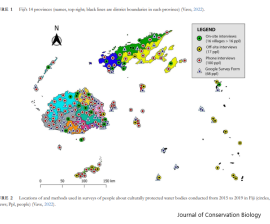
Globally, protected areas associated with sacred sites and cemeteries are an emerging area of research. However, they are biased toward terrestrial systems.