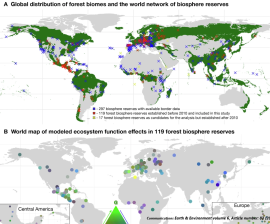
UNESCO biosphere reserves serve as learning areas for sustainable development, where preserving ecosystem functionality is an imperative. However, this critical assumption has yet to be thoroughly examined.
Traditional Ecological Knowledge (TEK) is lost due to the increase of urbanisation, and the lack of transfer of this knowledge to younger generations. Aims.
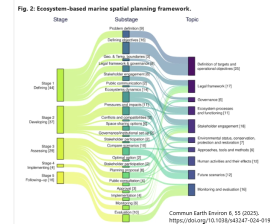
Ecosystem-based marine spatial planning is an approach to managing maritime activities while ensuring human well-being and biodiversity conservation as key pillars for sustainable development.
Knowledge of the habitat use and migration patterns of large sharks is important for assessing the effectiveness of large predator Marine Protected Areas (MPAs), vulnerability to fisheries and environmental influences, and management of shark–human interactions.
Engaging youth in early and sustained conservation education has important implications for promoting positive attitudes and behaviors in those who will become the future of conservation and management.
Tonga’s Special Management Areas (SMAs) have been widely supported by the people of Tonga as a successful approach to the comanagement of their fisheries and marine resources.