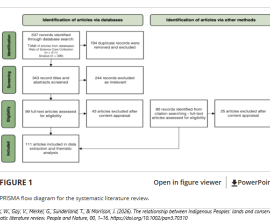
A growing body of peer-reviewed literature is focused on the relationship between Indigenous Peoples' lands (Indigenous lands) and conservation outcomes.
Throughout Tonga and the Pacific Islands, the loss of biodiversity is increasing due to habitat loss, invasive species, over exploitation and climate change. These biodiversity losses often are slow to detect due to limited and consistent assessments.
The small island countries of Kiribati and Tonga in the Pacific rely mainly on fragile groundwater aquifers for fresh water. But groundwater sources just below the surface are highly vulnerable to pollution and salt water intrusion, as populations grow and concentrate in urban areas.
This guide is for facilitators who feel comfortable engaging with communities and can adapt the suggested activities
to suit local ways of sharing, learning, and reflecting. It is assumed that facilitators know the communities well, and
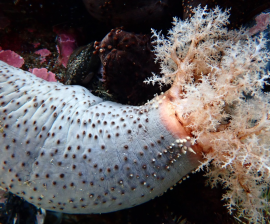
The global trade in sea cucumbers has grown since 2013 and continues to decimate the populations of many species, according to a recent study that cites “escalating impacts” and calls for stronger conservation measures.
he adoption of the BBNJ Agreement concluded a decades-long dispute over how MGRs of ABNJ should be legally classified and how benefits, particularly monetary benefits, derived from the utilisation and commercialisation of these MGRs, should be shared.
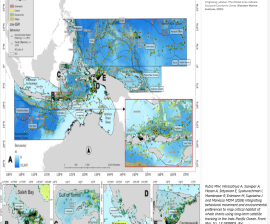
Understanding the spatial ecology of wide-ranging marine megafauna is essential for identifying critical habitats and designing effective conservation strategies.
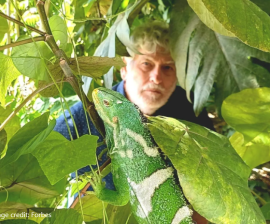
Deep in the dry tropical forest of Malolo Island, Peter Harlow freezes mid-step. The retired biologist from Sydney’s Taronga Zoo raises his flashlight to cut through the heavy Fijian darkness. To the untrained eye, the canopy is just a monochromatic tangle of leaves.