  • SPREP Home
  • Protected Areas
SPREP Home
Log in
Search
Home | PIPAP - Supporting the sustainable management of protected areas in the Pacific Region.
  • Data
    • Protected Areas
    • Key Biodiversity Areas
    • Management Effectiveness Dashboard
    • Spatial Data
  • Assistance
    • How SPREP Helps
    • WDPA Protected Area Registration
    • Protected Area Working Group
  • Resource Hub
    • Publications
    • Decision Making Support Tools
    • Case Studies
  • Newsletter
    • Browse Newsletter Archive
    • Subscribe Now
  • Account
    • Login

Main menu

  • Data
  • Assistance
  • Resource Hub
  • Newsletter
  • Account

Breadcrumb

  1. Home
  2. Resource Hub
  3. Case Studies

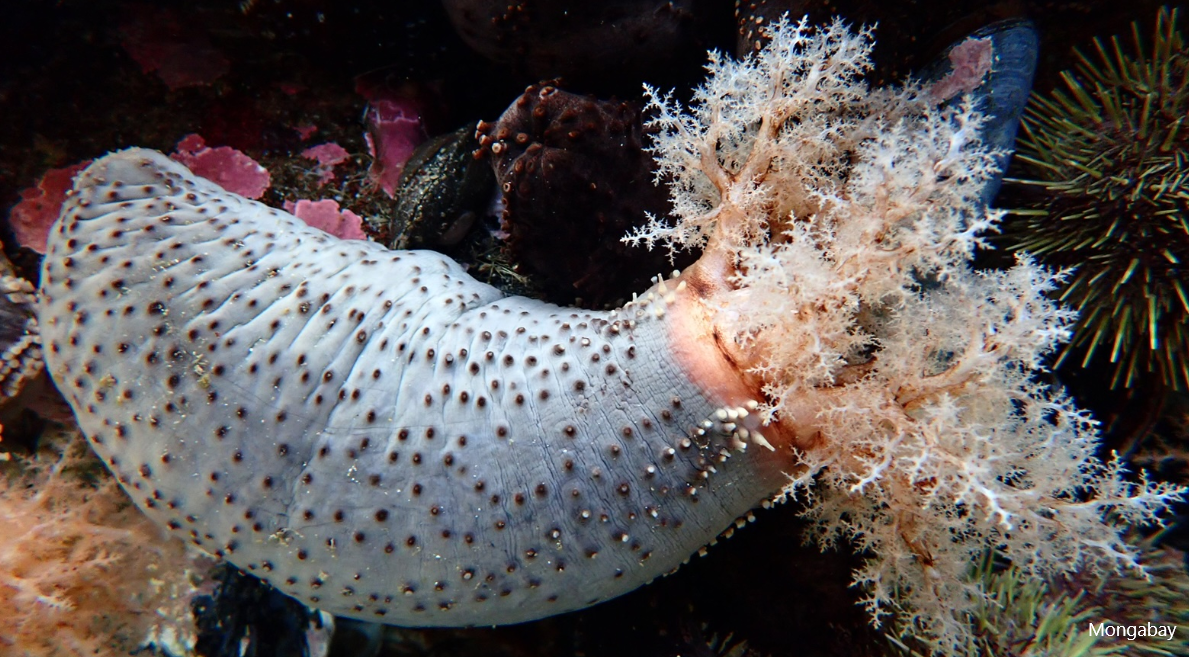
Global trade in sea cucumbers ‘alarming’ with many species at risk: Study

The global trade in sea cucumbers has grown since 2013 and continues to decimate the populations of many species, according to a recent study that cites “escalating impacts” and calls for stronger conservation measures. “Nowadays it’s overexploited nearly all over in the world,” Chantal Conand, an emeritus associate at France’s National Museum of Natural History and lead author of the study, told Mongabay, speaking of sea cucumbers generally.

Learn more

Links
https://news.mongabay.com/2026/04/global-trade-in-sea-cucumbers-alarming-with-m…
Case study
Related page category(s)
Management
Thematic Area
Opportunities
Progress Towards Protected Area Targets
Partnerships
Pacific Protected Areas
Related Pages
Unexpected expansion and regrowth in Earth’s mangrove forests over the past four decades
Protecting the right 30% by 2030: Are We Ready to Deliver?
Global ocean protection target will fail without human rights
Reducing disease risks in protected areas: New toolkit launched to safeguard human, wildlife and ecosystem health
Environmental Monitoring Guide Series
The new SPREP film 'Mareva and the Sea' is now on YouTube
Explainer: Why OECMs are crucial to conserving 30% of Earth’s lands and waters
Global cooperation needed to save sharks and rays populations
Social implications of the 30×30 global conservation target
The future of ocean conservation lies in community leadership backed by science and philanthropy

Latest News

SPREP
Senior Finance and Administration Officer - Pacific Ocean Initiative
June 8, 2026 by Isaac Rounds
Read More
SPREP
Project Manager – Pacific Ocean Initiative
June 8, 2026 by Isaac Rounds
Read More
Australia
Dive industry calls for more no-fish, no-drill zones as marine park review…
June 4, 2026 by Isaac Rounds
Read More
FFA
Diploma in Fisheries Investigation and Prosecution programme
June 3, 2026 by Isaac Rounds
Read More

Latest Resources

Unexpected expansion and regrowth in Earth’s mangrove forests over the…
June 8, 2026 by Isaac Rounds
Read More
Protecting the right 30% by 2030: Are We Ready to Deliver?
June 3, 2026 by Isaac Rounds
Read More
Global ocean protection target will fail without human rights
June 3, 2026 by Isaac Rounds
Read More
Western and Central Pacific Fisheries Commission (WCPFC) Convention Area
June 2, 2026 by pipap.sprep.org
Read More
Biodiversity and Protected Areas Management Programme Logo Organisation of African, Caribbean and Pacific States Logo Sprep BioScapes Logo Flag of European Union International Union for Conservation of Nature Logo European Commission Logo

SPREP Footer Logo

A resilient Pacific environment sustaining our livelihoods and natural heritage in harmony with our cultures.

+685 21929
sprep@sprep.org

  • SPREP on Facebook
  • SPREP on YouTube
  • SPREP on Twitter
Protected Areas by Country
  • American Samoa
  • Cook Islands
  • Fiji
  • French Polynesia
  • Guam
  • Kiribati
  • Marshall Islands
  • Micronesia (Federated States of)
  • Nauru
  • New Caledonia
  • Niue
  • Northern Mariana Islands
  • Palau
  • Papua New Guinea
  • Samoa
  • Solomon Islands
  • Timor-Leste
  • Tokelau
  • Tonga
  • Tuvalu
  • Vanuatu
  • Wallis and Futuna
SPREP © 2026. All rights reserved.