Scientific Consensus Statement 2013 - Chapter 2: Resilience of Great Barrier Reef marine Ecosystems and Drivers of Change

This chapter focuses on the temporal dynamics, spatial extent and cumulative impacts of current and future drivers of change on Great Barrier Reef water quality, and subsequent impacts on marine ecosystems in the Great Barrier Reef Marine Park. These include the acute influences of large flood events driven by extreme weather, salinity stress, tropical cyclones, thermal stress, crown-of-thorns starfish outbreaks and other anthropogenic drivers such as coastal development activities.
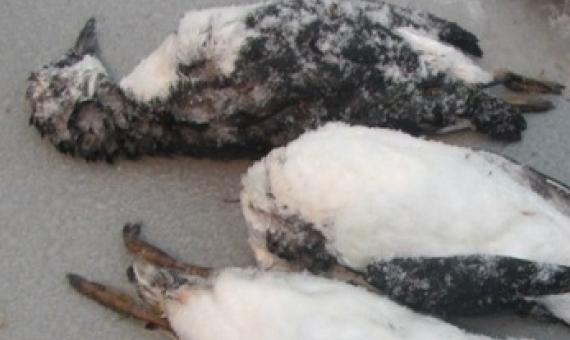
On the heels of new research showing that the world's oceans are rapidly warming, scientists revealed Wednesday that a huge patch of hot water in the northeast Pacific Ocean dubbed "the blob" was to blame for killing about one million seabirds. The peer-reviewed study, pu

Importance, Destruction and Recovery of Coral Reefs

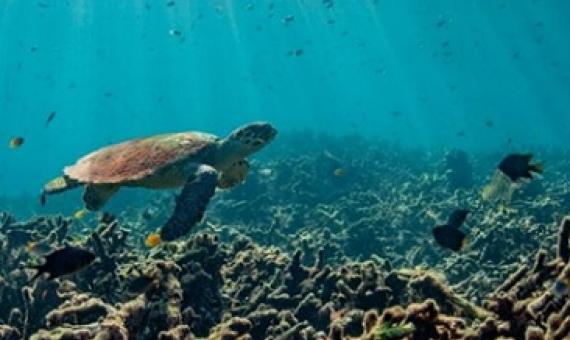
Coral reefs are an incredibly valuable ecosystem. Coral reefs are being degraded worldwide by several reasons such as; human activities, increases in cyclone intensity, climate warming, bleaching and so on. The increasing frequency and severity of anthropogenic impacts throughout the global ocean have an impact on the coral reefs. This worldwide decline of coral reefs calls for an urgent reassessment of current management practices. Coral reefs are important for our world for several reasons.

Hope and doubt for the world’s marine ecosystems

In June 5–9, 2017, during the United Nations (UN) Ocean Conference, 143 governments, signatory parties of the Convention on Biological Diversity (CBD) declared their commitment and strategies to reach several objectives of the Sustainable Development Goal (SDG) 14, which stands to “conserve and sustainably use the oceans, seas and marine resources for sustainable development”.

A framework for understanding climate change impacts on coral reef social–ecological systems

Corals and coral-associated species are highly vulnerable to the emerging effects of global climate change. The widespread degradation of coral reefs, which will be accelerated by climate change, jeopardizes the goods and services that tropical nations derive from reef ecosystems. However, climate change impacts to reef social–ecological systems can also be bi-directional. For example, some climate impacts, such as storms and sea level rise, can directly impact societies, with repercussions for how they interact with the environment.

Ecological connectivity between the areas beyond national jurisdiction and coastal waters: Safeguarding interests of coastal communities in developing countries

The UN General Assembly has made a unanimous decision to start negotiations to establish an international, legally-binding instrument for the conservation and sustainable use of marine biological diversity within Areas Beyond National Jurisdiction (ABNJ). However, there has of yet been little discussion on the importance of this move to the ecosystem services provided by coastal zones in their downstream zone of influence.