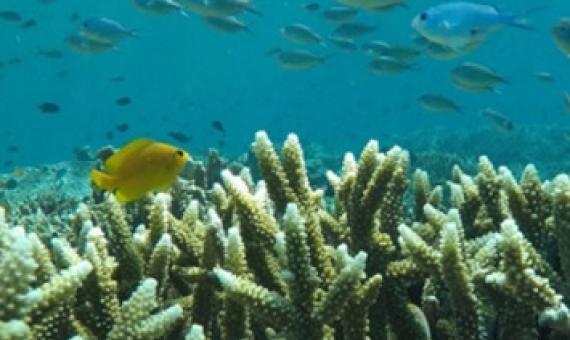
The Kermadec Ocean Sanctuary Bill is about to go through its second reading. This action would permanently protect endangered species and provide a refuge twice the size of New Zealand. It should have been completed in 2017 when it was taken over from Nick Smith and transferred to David Parker.
Almost a third of the Earth will need to be protected by 2030 and pollution cut by half to save our remaining wildlife, as we enter the planet's sixth era of mass extinction, according to a United Nations agency. The UN Convention on Biological Diversity released a draft plan
A proposed update to the global treaty governing plant and animal life on Earth calls for nearly a third of the planet to be designated as protected by 2030.
Protect the endangered species of plants and animals of Vanuatu
A translated poster identifying the endangered species of plants and animals of Vanuatu for protection.
Samoa Environmental Outlook, 2012
An assessment framework based on key habitats in Samoa:
* cloud forest and uplands
* lowlands, coastal strand
* nearshore marine, offshore marine, and rivers and streams
* climate change, air quality, waste disposal, renewable energy, and population pressures.
It also assesses the status of Samoa’s species of high conservation value, especially those that are endemic and critically endangered.
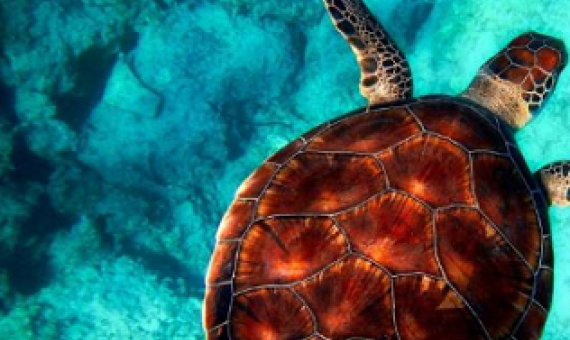
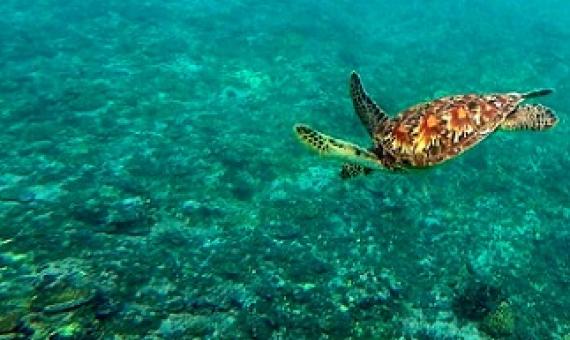
Turtles Tagged and Released from the Malua Theological College Pond
A report on the marine turtles tagged and released from the pond in Malua.
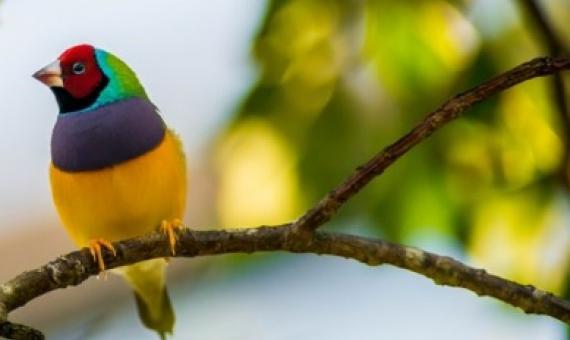
DNA gathered from remote waterholes in northern Australia has been used to detect an endangered bird in the wild for the first time.
An online mapping and knowledge platform prototype could soon offer free and easily accessible information on the migratory patterns of endangered species in the ocean. The Migratory Connectivity in the Ocean (MiCO) system has been launched by The University of Queensland's Dr. Daniel Dunn.
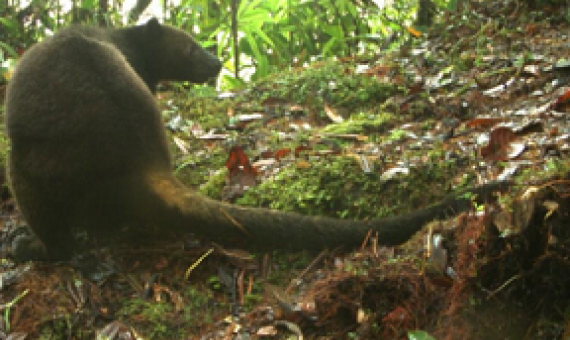
The tenkile, or Scott’s tree kangaroo (Dendrolagus scottae), doesn’t bounce exactly — more of an awkward hop — but the animal is climbing its way back from the edge of extinction in Papua New Guinea.
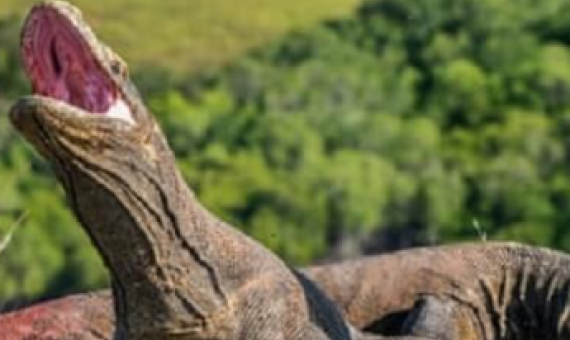
The Indonesian government plans to close the island to the public from January next year in a bid to conserve the rare reptiles.The scheme also involves moving about 2,000 villagers off the island...It is hoped that closing the island to tourists will cut the risk of poaching and allow a recovery