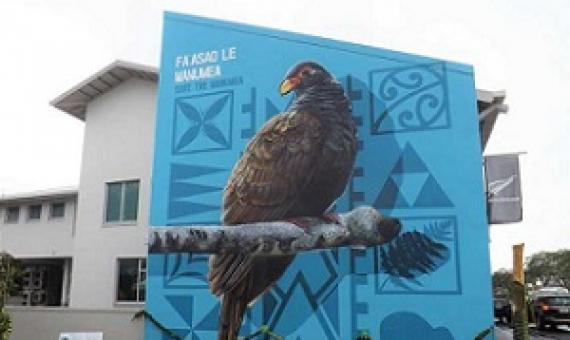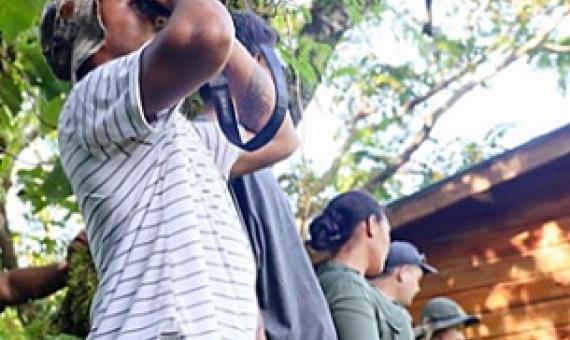
Work to save Samoa’s endangered national bird continues with two Manumea-friendly villages, the latest recipients of support through the Biodiversity and Protected Areas Management Project...the goal of the project is to support the two villages work towards improving the livelihoods of the local
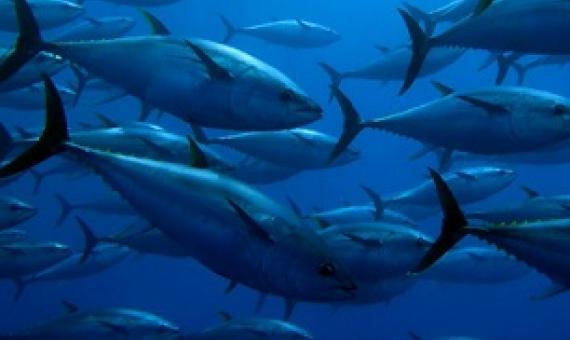
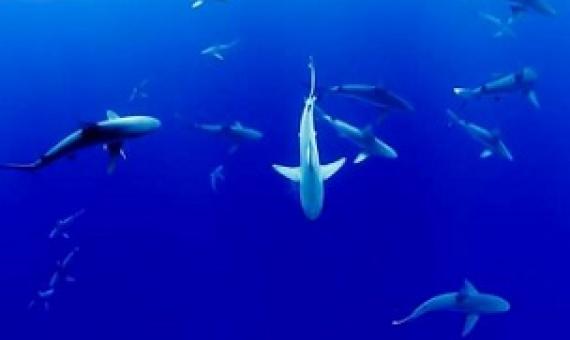
Two bluefin species, a yellowfin, and an albacore are no longer critically endangered or have moved off the leading international list of endangered species entirely. The unexpectedly fast recovery speaks to the success of efforts over the past decade to end overfishing.
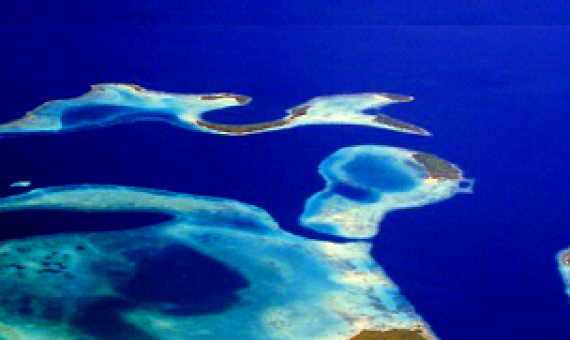
A recent study conducted by geomatic engineer Mahyat Shafapour Tehrany and environmental science professor Lalit Kumar identified 150 vulnerable terrestrial vertebrate species throughout the Pacific islands region that are most susceptible to extinction due to the impact of climate change.
In 2017, an evolutionary biologist named R. Alexander Pyron ignited controversy with a Washington Post commentary titled “We don’t need to save endangered species.
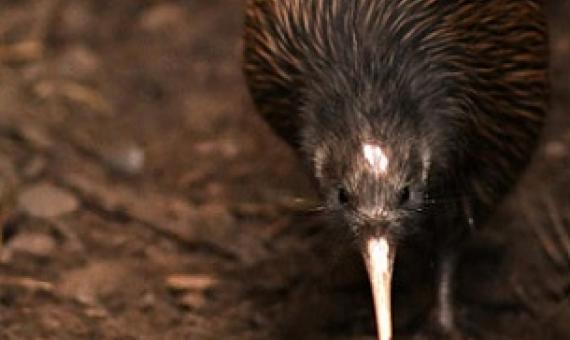
A kiwi bird has been killed by a dog on conservation land in Taranaki. The female North Island brown kiwi was found with bite marks along its body in the Pouiatoa Conservation Area in North Taranaki.
In the six years since listing 23 regional plants and animals as “endangered species,” the federal government has yet to designate any critical habitats to help protect them from extinction. This inaction is at the heart of a lawsuit filed in the U.S.
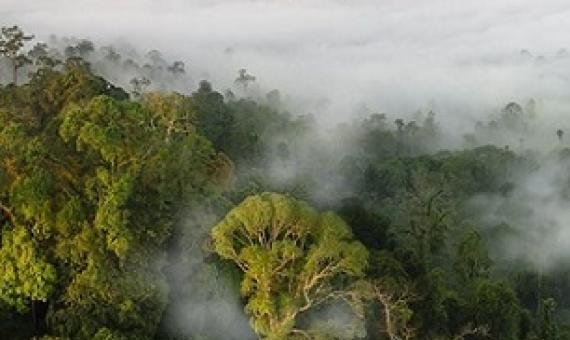
Conservationists have ramped up efforts to locate and save Samoa’s national bird by placing recorders and cameras in rainforests across Samoa. The placing of recorders and cameras is part of the Save the Manumea Project run by the Samoa Conservation Society.
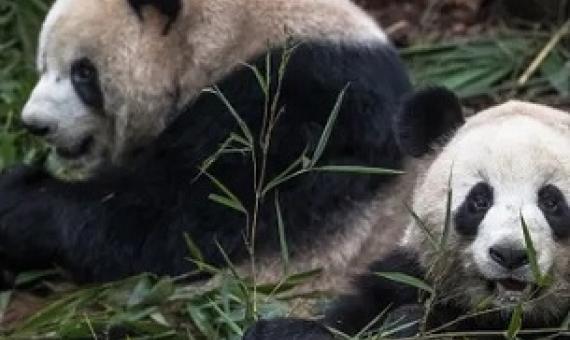
Giant pandas are no longer endangered in the wild, but they are still vulnerable with a population outside captivity of 1,800, Chinese officials have said after years of conservation efforts.
...the 1975 blockbuster "Jaws" not only smashed box office expectations, but forever changed the way we felt about going into the water—and how we think about sharks.
4600 hectares of additional land protected in Queensland, meaning the total protected area is 8.26% of the state. Half a million dollars in grants will be provided to landowners to better manage private protected land.