Protected Area Management Effectiveness (PAME) can be defined as the extent to which management is protecting values and achieving goals and objectives.
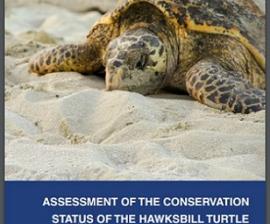
This document presents a synopsis of the current state of knowledge for hawksbill turtles in the western Pacific Ocean region, including biological and ecological knowledge of nesting and foraging populations, legislative provisions, and detailed recommendations and proposals for addressing ident
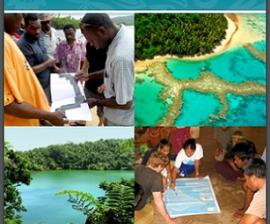
This report was commissioned by the Secretariat of the Pacific Regional Environment Programme (SPREP) to raise awareness and understanding of the tools available to evaluate Protected Area Management Effectiveness (PAME); to provide case studies from the region on PAME assessment; and to help inf
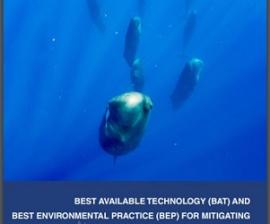
At least 150 marine species have shown impacts from ocean noise pollution, but it has been difficult to specify the exact scenarios where ecosystem and population consequences from underwater noise will occur. Therefore, managing this threat requires a precautionary approach.
Forests play a critical role in stabilizing Earth’s climate. Establishing protected areas (PAs) represents one approach to forest conservation, but PAs were rarely created to mitigate climate change.
Tropical countries are making ambitious commitments to Forest Landscape Restoration with the aim of locking up carbon, conserving biodiversity and benefiting local livelihoods.
Governments around the world are increasingly committed to reaching terrestrial and marine conservation goals. But achieving such commitments is challenging, and conservation targets that are reached on paper, e.g., in terms of square kilometers protected, can be misleading.