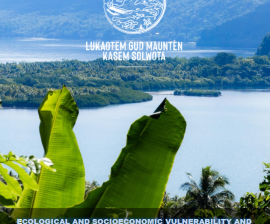
The objective of an Ecosystem and Socio-economic Resilience Analysis and Mapping (ESRAM) process is to generate a robust planning baseline to inform the identification of ecosystem-based adaptation (EbA) options for strengthening the socio-ecological resilience of communities to the impacts of cl
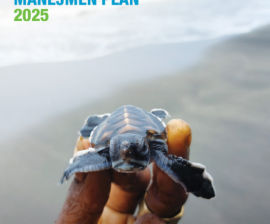
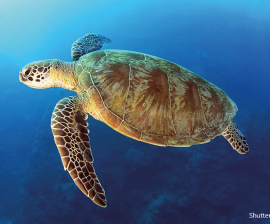
Bamboo Bay is an important turtle nesting site in Malekula especially for green and hawksbill turtles. The community has been monitoring and conserving turtles, their nests and hatchlings since the 1990s.
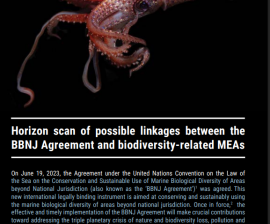
the Sea on the Conservation and Sustainable Use of Marine Biological Diversity of Areas beyond National Jurisdiction (also known as the ‘BBNJ Agreement’)1 was agreed.
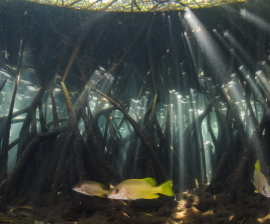
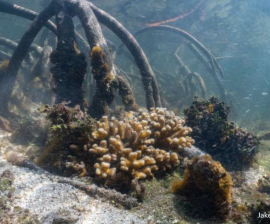
Global efforts to restore mangrove coverage face a growing but underexplored threat from a warming ocean, jeopardizing the future benefits mangroves provide.
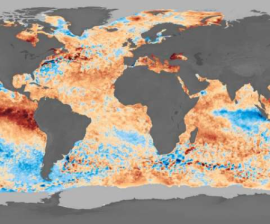
Measurements analyzed by an international research team led by ETH Zurich show that the global ocean absorbed significantly less CO₂ than anticipated during the unprecedented marine heat wave in 2023. The world's oceans act as an important sink for carbon dioxide (CO₂).
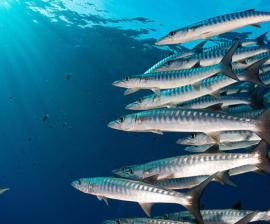
Fish and other marine organisms, though deeply affected by human activities, don’t respect human borders. The ranges of many commercially important species in fact straddle the borders of countries’ exclusive economic zones (EEZs) and international waters, known as the high seas.
Coral reefs are in crisis. Rising ocean temperatures driven by climate change are pushing these ecosystems to the brink, with mass bleaching events becoming more frequent and severe. But what if nature already holds part of the solution?
The R4N Guidebook Series provides an in-depth analysis of models across the globe that unlock private sector capital into nature restoration or protection, including nature-based solutions (NbS).