Protected and Conserved Areas (PCAs) safeguard biodiversity and provide essential ecosystem services for human and animal health, from water filtration to climate regulation. Yet PCAs can also be places where infectious diseases can emerge or spread among people, wildlife, and domestic animals. These dynamics make PCAs both vulnerable to infectious disease threats and critical allies in preventing and mitigating them. Recognising the risks and benefits of PCAs, the conservation, public health, and veterinary health sectors are increasingly working within the One Health framework, an approach which integrates and optimises the health of people, animals, and ecosystems. As One Health becomes a pillar in local, national, and international practice and policy, PCA managers will find it increasingly beneficial and necessary to assess and build their One Health capacity.
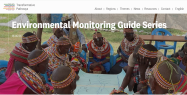
This peer-to-peer guide helps PCA managers leverage their deep expertise and practical experience to apply One Health in practice, with a focus on infectious disease prevention and management. The toolkit provides adaptable frameworks to assess infectious disease risks (MAP), reduce infectious disease risks (ACT), and assess and build long-term One Health capacity (CREATE). Managers can use the toolkit to systematically identify existing One Health activities and pinpoint where and how One Health capacity could be enhanced in each PCA or PCA system. Grounded in expert consensus and tested with managers in diverse contexts, the guide highlights diverse examples, lessons learned, and current consensus on best practices—
without being prescriptive. This adaptable approach enables managers to tailor risk-reduction strategies to their unique ecological, social, and cultural contexts, while demonstrating their essential role in achieving global One Health goals.