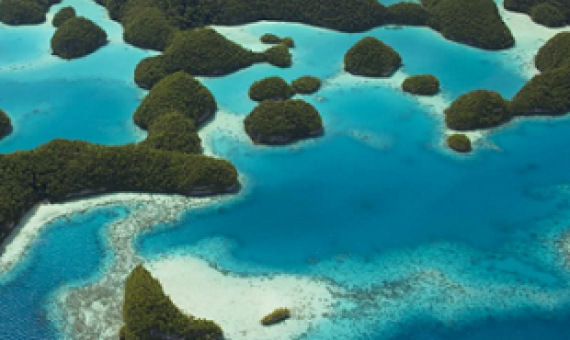
Palau's Pristine Paradise Environmental Fee (PPEF), a funding mechanism for the country's key conservation initiatives, as able to raise a total of $9.1 million since its implementation took off last year, according to Natural Resources, Environment and Tourism Minister Umiich Sengebau...the PPEF
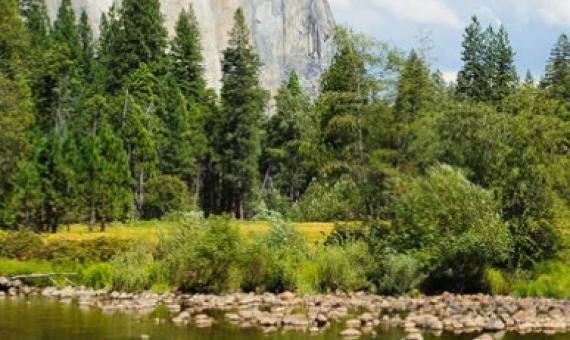
A little over 20 million square kilometers, or about 15 percent, of Earth’s terrestrial surface is currently protected.
In 2020, the Secretariat of the Pacific Regional Environment Programme (SPREP) and the 10th Pacific Islands Conference on Nature Conservation and Protected Areas will recognise and honour Pacific Islanders with a commitment to environmental sustainability and resilience within the Pacific Islands
It's often noted that getting out into nature is good for the soul, both from physical and mental health standpoints.
The University of Hawaiʻi Board of Regents today is considering a proposal to review possible new management options for Mauna Kea in the wake of a three-month protest against the planned Thirty Meter Telescope. Some working models could broaden the role of native Hawaiia
Few countries boast the unique array of biodiversity and natural beauty as China. China is the fourth largest nation by land area, and is home to various natural ecosystems, including 15% of the world’s vertebrates species and 12% of its plants species.
A global-level assessment of the effectiveness of protected areas at resisting anthropogenic pressures
One-sixth of the global terrestrial surface now falls within protected areas (PAs), making it essential to understand how far they mitigate the increasing pressures on nature which characterize the Anthropocene. In by far the largest analysis of this question to date and not restricted to forested PAs, we compiled data from 12,315 PAs across 152 countries to investigate their ability to reduce human pressure and how this varies with socioeconomic and management circumstances.
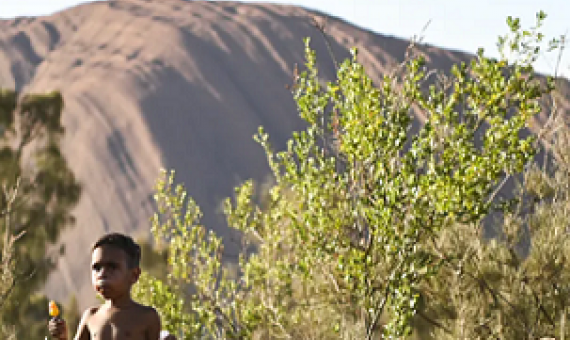
Last weekend marked 34 years since the land title to Uluru was handed back to the local Yankunytjatjara-Pitjantjatjara peoples.
A study of human activity within thousands of conservation spaces in over 150 countries suggests that - on average across the world - protected areas are not reducing the "anthropogenic pressure" on our most precious natural habitats.
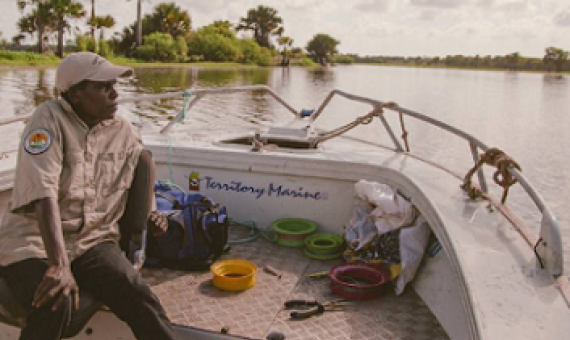
Seven new Indigenous Protected Areas will recognise conservation led by Aboriginal and Torres Islander people is central to the protection of nature in Australia.