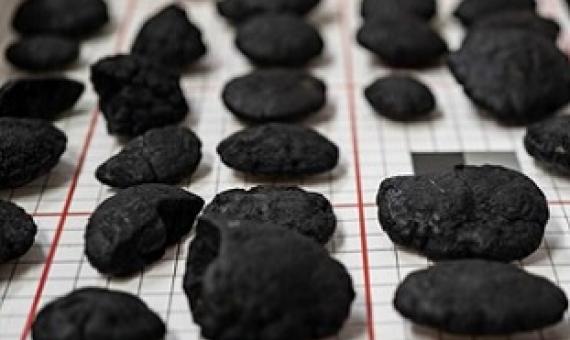
As the pandemic dries up traditional revenue sources, some Pacific Island governments are considering diving into the unknown waters of deepsea mining.
As the pandemic dries up traditional revenue sources, some Pacific Island governments are considering diving into the unknown waters of deepsea mining.
The definition of large-scale marine protected areas in the Pacific Ocean is fundamental to the achievement of global marine conservation targets. The threatened nature of the global ocean is emphasised, the evolution of global spatial targets for marine conservation outlined and the implementation of large-scale marine protected areas in Australia and the Pacific Ocean more broadly is reviewed. The article concludes with some reflections on the efficacy of such mechanisms in the Pacific.
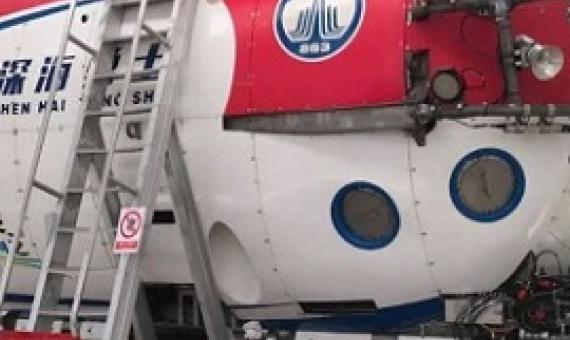
Scientists have found that man-made mercury pollution has reached the bottom of the deepest part of the ocean—the Marianas Trench. This has significant implications for how mercury affects the marine environment, and how it may be concentrated in the food chain.
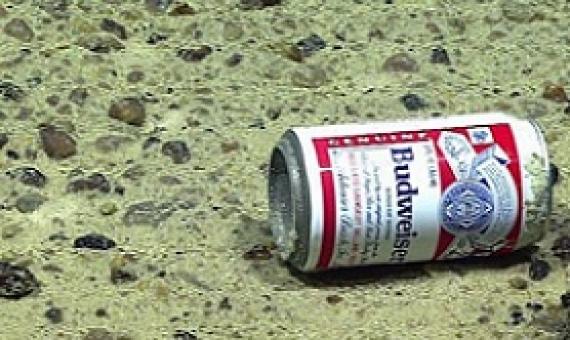
The largest ever study of waste found at the bottom of the central Pacific is showing how even the most remote and protected areas are being impacted by our rubbish...Marine biologist Dr Diva Amon, a researcher at the Museum, was exploring the Marianas area with remotely-operated vehicles (R
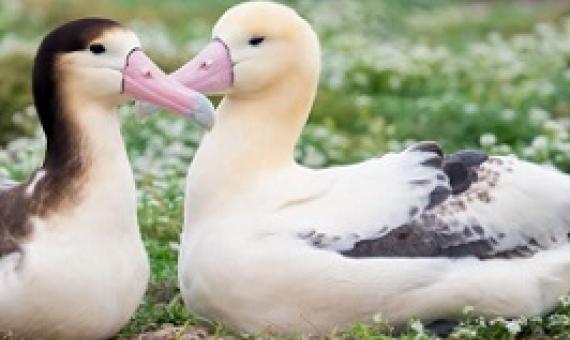
For me, one of the most interesting things about birds has always been how they can serve as a vehicle for human stories. Birds are biological marvels, with beauty and abilities that are fascinating in their own right.
This review represents an analysis of literature addressing the predicted and potential impacts of mining deep sea nodules in the Southwest, Central, and Northeast Pacific. More than 250 scientific and other articles were examined to explore what is known — and what remains unknown — about the risks of nodule mining to Pacific Ocean habitats, species, ecosystems and the people who rely on them. The report details scientifically established risks, including those related to the lack of knowledge surrounding this emerging industry.
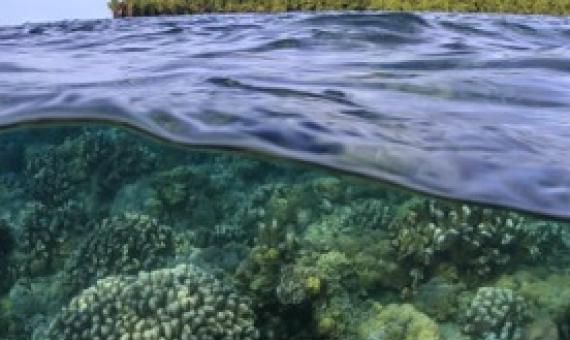
Most of tropical reefs are no longer able to both sustain coral reef ecosystems and the livelihoods of the people who depend on them, as human pressure and the impacts of climate change increase.
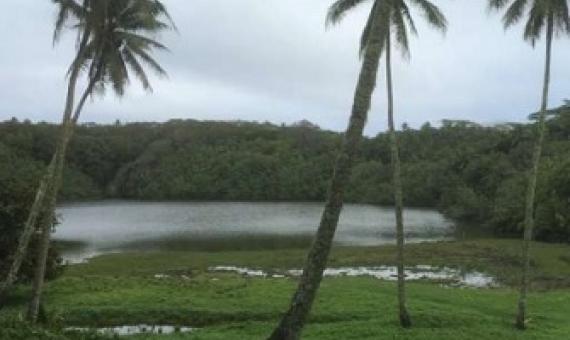
Research led by scientists at the University of Southampton has found settlers arrived in East Polynesia around 200 years earlier than previously thought. Colonisation of the vast eastern Pacific with its few and far-flung island archipelagos was a remarkable achievement in human history.
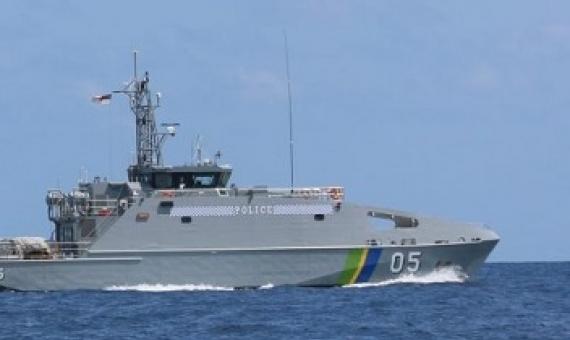
On Friday the Pacific Island Forum Fisheries Agency (FFA) closes the two-week fisheries surveillance activity, Operation Rai Balang 2020. The operation is unprecedented in achieving maritime surveillance across 14.1million square kilometres, including 108 sighting and 24 boardings, during t
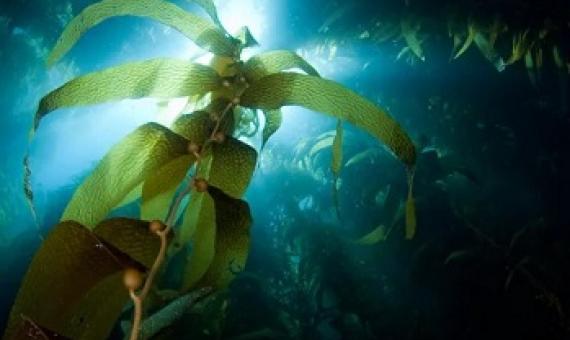
A U.S. agency is funding projects to help create a bioenergy industry based on macroalgae. One day in the future, the Pacific Ocean could be home to kilometers of seaweed farms tended by submarine drones and waiting to be turned into fuel.