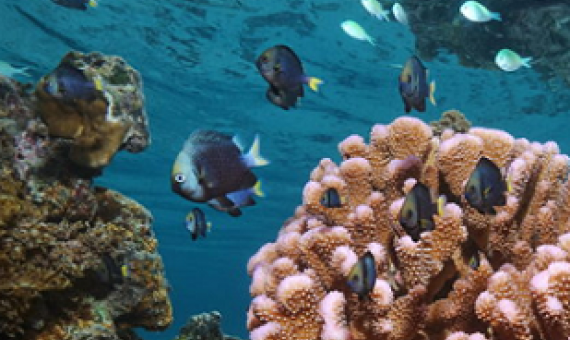
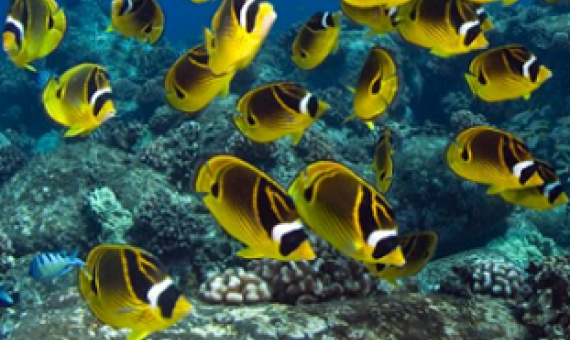
A Pacific environmentalist says temperature rise could leave equatorial Pacific countries without their main protein source.Taholo Kami is calling for more research into how much temperature change reef fish species can sustain.
A Pacific environmentalist says temperature rise could leave equatorial Pacific countries without their main protein source.Taholo Kami is calling for more research into how much temperature change reef fish species can sustain.
The oceans are facing more threats now than at any time in history. Yet a nascent industry is ramping up to exert yet more pressure on marine life: deep sea mining. A handful of governments and companies have been granted licences to explore for deep sea mining in ecologically sensitive waters, and the industry is positioning its development as inevitable, but deep sea mining isn’t happening anywhere in the global oceans – yet.
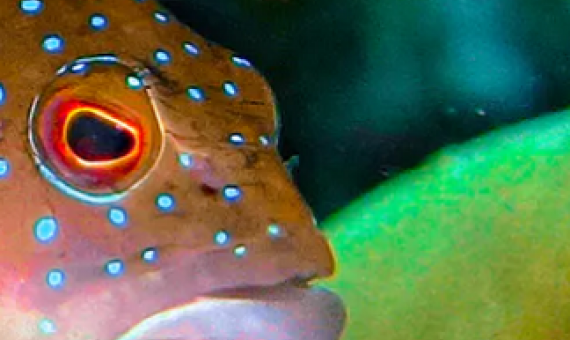
One hectare of ocean in which fishing is not allowed (a marine protected area) produces at least five times the amount of fish as an equivalent unprotected hectare, according to new research published today. Click on the link below to read the full article.
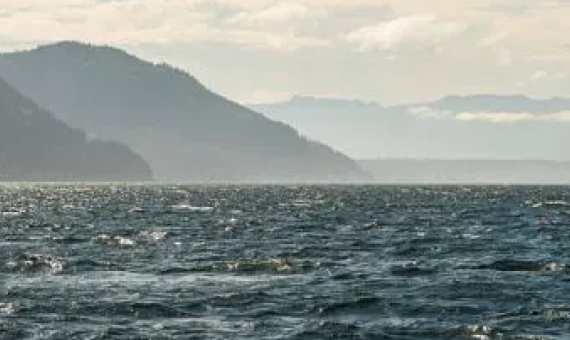
The middle of the Pacific ocean marks the farthest point from land on the planet. This region is a little different than the others. The waters here are designated as the South Pacific Gyre or Point Nemo, which means that this area is inaccessible to the craft of any kind.
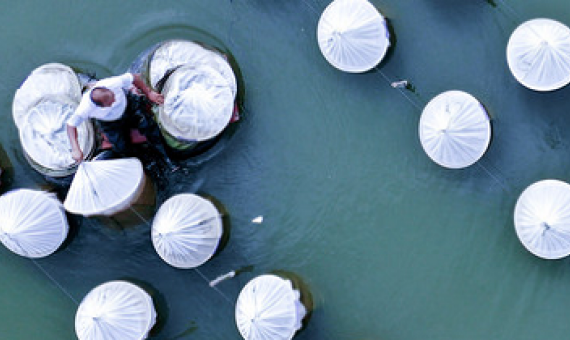
The marine industrial economy has been valued at $1.5 trillion and is predicted to grow at double the rate of the rest of the global economy by 2030. A sometimes unappreciated aspect of this recent explosive industrial marine growth is that its distribution is highly uneven.
To mark World Oceans Day on 8 June, Commonwealth Head of Oceans and Natural Resources Dr Nicholas Hardman-Mountford shares how his organisation’s Blue Charter is a beacon of hope for the future of ocean governance. Click on the link below to read the full article.
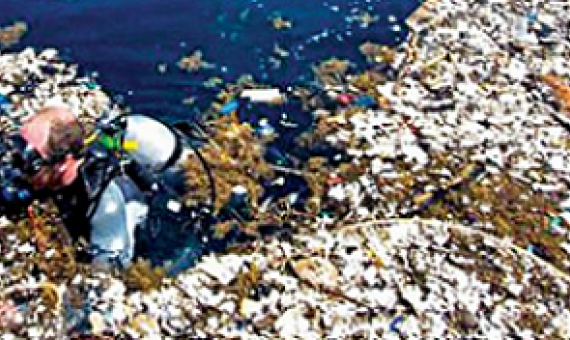
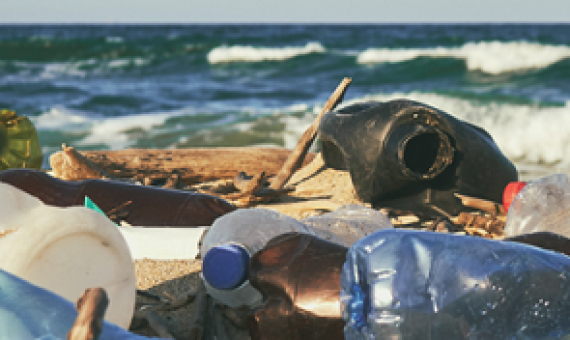
The oceans are among our biggest resource and also our biggest dumping grounds. Because they are so vast and deep, many of us believe that no matter how much garbage we dump into them, the effects would be negligible. Click on the link below to read the full article.
On 8 June this year, World Oceans Day, five new factsheets are launched as part of the Oceans Toolkit for Pacific Media which was launched during World Oceans Day in 2018. These new factsheets span information on ocean acidification, tides, Pacific Ocean.
The 123 million people who live near the U.S.