
WorldFish celebrated the International Day of Rural Women in Western Province by bringing together women’s leaders to discuss their role in fisheries.
WorldFish celebrated the International Day of Rural Women in Western Province by bringing together women’s leaders to discuss their role in fisheries.
In this report the World Ocean Initiative assesses the challenges facing key sectors in the ocean economy, including seafood, shipping, tourism and renewable energy. We look at the role of banks and investors in financing the transition towards clean, low carbon technologies, as well as opportunities in data and analytics. We examine solutions to marine plastic pollution from source to sea, and the ocean’s potential to remove carbon from the atmosphere and increase resilience to the impacts of climate change.
Well-managed and enforced no-take marine reserves generate important larval subsidies to neighboring habitats and thereby contribute to the long-term sustainability of fisheries. However, larval dispersal patterns are variable, which leads to temporal fluctuations in the contribution of a single reserve to the replenishment of local populations. Identifying management strategies that mitigate the uncertainty in larval supply will help ensure the stability of recruitment dynamics and minimize the volatility in fishery catches.
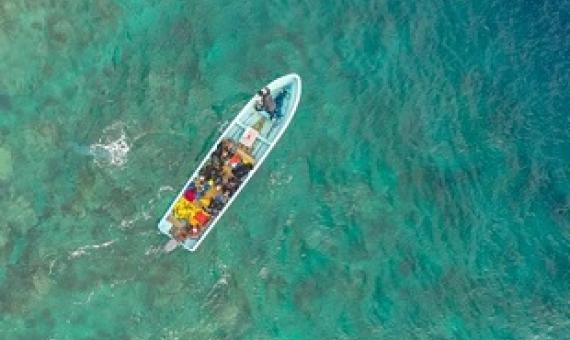
The COVID-19 crisis has hit tourism-dependent Pacific Island countries severely. Fiji, the largest of these states, is feeling the impact badly, with laid-off workers of tourism-related industries, such as hotels and travel companies, turning to farming and fishing for survival.
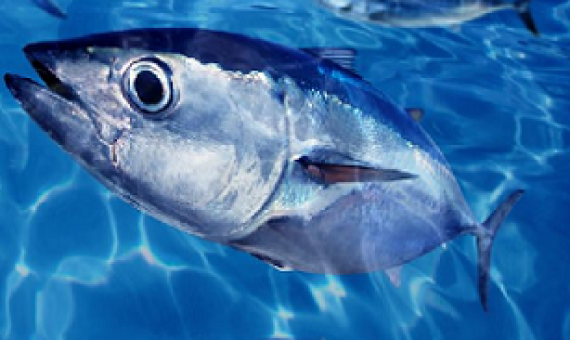
The Solomon Islands prime minister has called on the leaders of distant water fishing nations to curb illegal, unregulated and unreported fishing by their fleets in the Pacific.
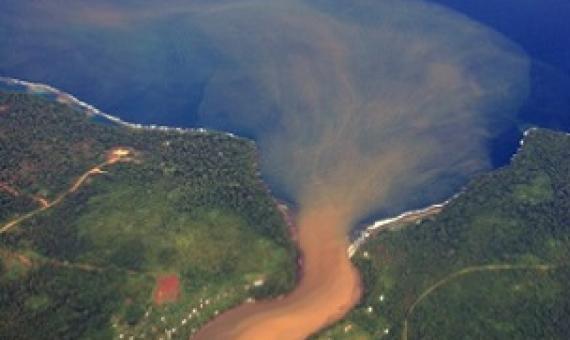
New findings uncovered by researchers at the Wildlife Conservation Society (WCS) and the University of Queensland (UQ) demonstrate that logging activity in Solomon Islands is associated with lower coral cover and structural complexity on adjacent reefs, as well as lower abundance of many types of

Minister Semi Koroilavesau says they are establishing fish warden programs and the Ministry is providing equipment for these officials to patrol traditional i-Qoliqoli areas.
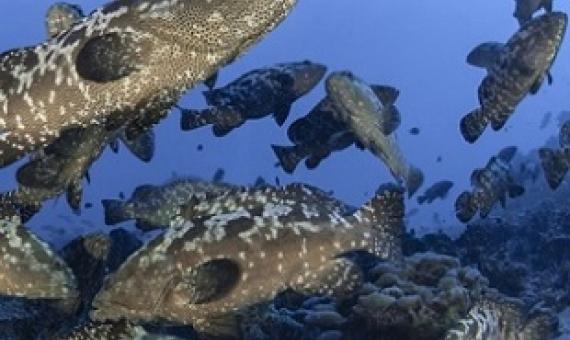
With reports of increased pressure on Fiji’s inshore fisheries due to the COVID-19-induced economic fallout, experts have renewed calls for stronger management of the resource, which was already vulnerable due to overfishing, outdated regulations and pollution.
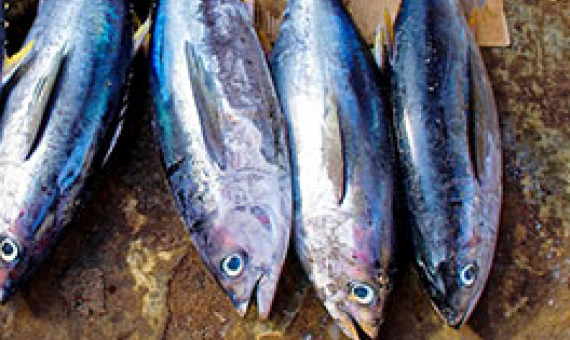
The fishing and seafood industries are worth billions of dollars each year globally, and almost every country plays some role in the supply chain, from fishing and processing to buying and consumption.

A visit by Executive Officers of the Royal Solomon Islands Police Force (RSIPF) to the Pacific Islands Forum Fisheries Agency (FFA) Headquarters Tuesday this week has highlighted the commitment to continuous cooperation between the two organisations, especially during this period of the COVID-19