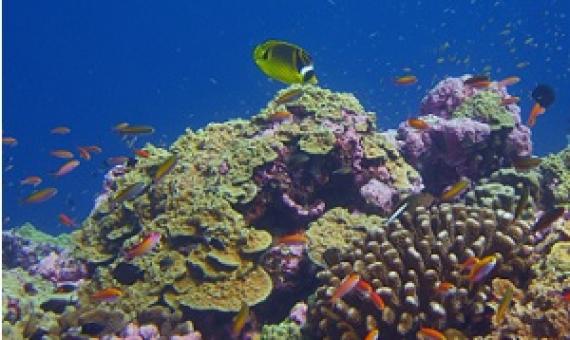
Climate change is rapidly intensifying pressure on biodiversity around the globe and, particularly, on coral reefs. But despite dramatic losses at the hand of bleaching events, the future of reefs may not be as bleak as we imagined.
Climate change is rapidly intensifying pressure on biodiversity around the globe and, particularly, on coral reefs. But despite dramatic losses at the hand of bleaching events, the future of reefs may not be as bleak as we imagined.
Climate-driven redistribution of tuna threatens to disrupt the economies of Pacific Small Island Developing States (SIDS) and sustainable management of the world’s largest tuna fishery. Here we show that by 2050, under a high greenhouse gas emissions scenario (RCP 8.5), the total biomass of three tuna species in the waters of ten Pacific SIDS could decline by an average of 13% (range =−5% to −20%) due to a greater proportion of fish occurring in the high seas.
The ReNature project is proud to announce the release of an interactive online toolkit designed to guide experts and non-experts in the implementation of nature-based solutions.
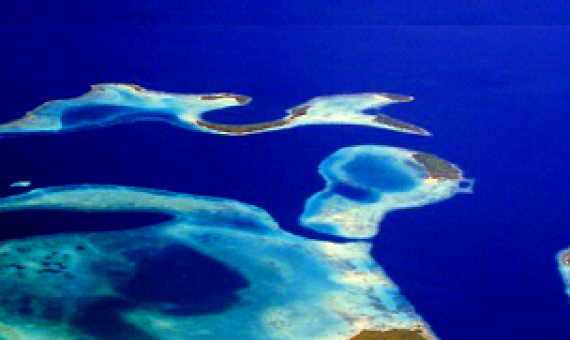
A recent study conducted by geomatic engineer Mahyat Shafapour Tehrany and environmental science professor Lalit Kumar identified 150 vulnerable terrestrial vertebrate species throughout the Pacific islands region that are most susceptible to extinction due to the impact of climate change.
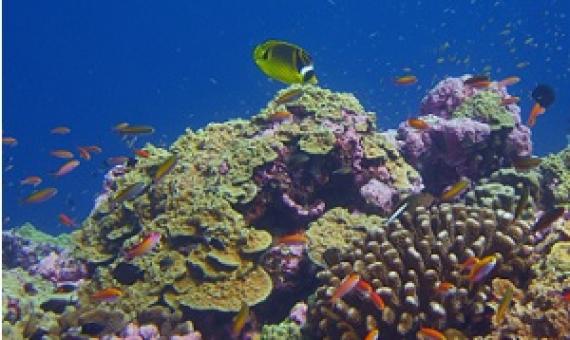
Some coral communities are becoming more heat tolerant as ocean temperatures rise, offering hope for corals in a changing climate.
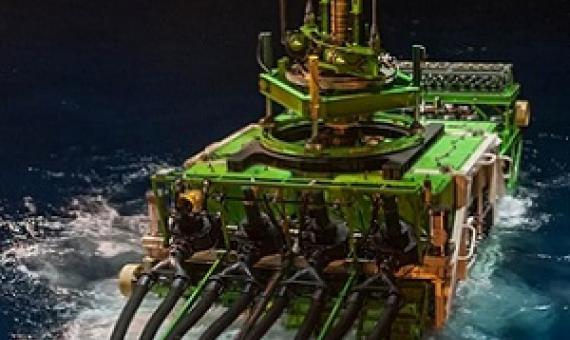
Trillions of metallic nodules on the sea floor could help stop global heating, but mining them may damage ocean ecology... These metallic morsels could...help humanity save itself from the ravages of global warming, argue mining companies who say their extraction should be rated an
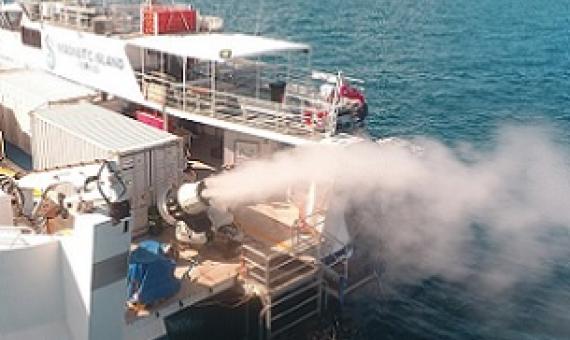
In place of its normal load of cars and vans, the repurposed ferry boat sported a mobile science laboratory and a large fan on its deck as it left Townsville, Australia, in March.
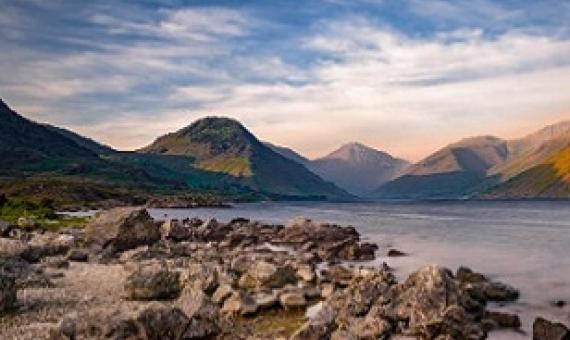
Safe passages for species adapting to climate change aren't always being protected, a new study by the University of Liverpool warns. With rising temperatures altering where species can survive, many are moving to newly hospitable patches further north.

A new study carried out by the Nature Map Consortium shows that managing a strategically placed 30% of land for conservation could safeguard 70% of all considered terrestrial plant and vertebrate animal species, while simultaneously conserving more than 62% of the world's above and below ground v
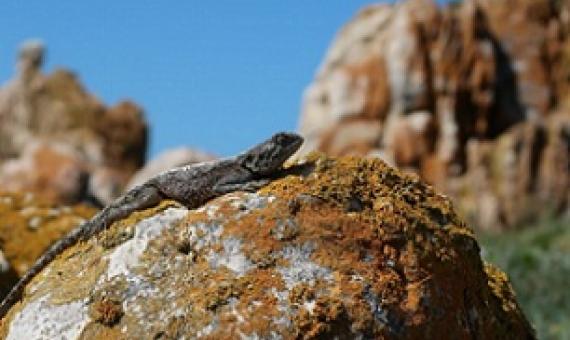
It is not easy to predict how animals—from insects to fish—are going to respond to climate change and especially extremes of temperature. This lack of understanding hinders our ability to predict the vulnerability of these animals to climate change.