The agricultural matrix has increasingly been recognized for its potential to supplement Protected Areas (PAs) in biodiversity conservation. Our study provides insights into the effects of different components of vegetation structure on the bird community in wooded land-use types in the matr
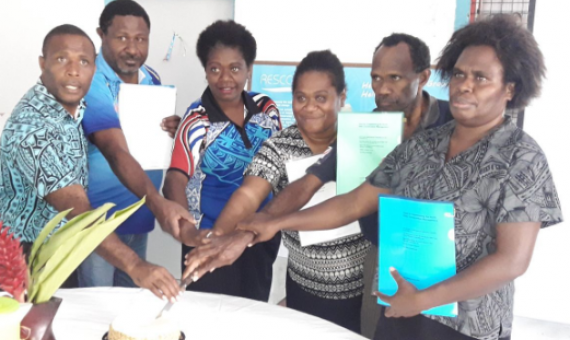
The North Efate Conservation Management (NECM) Deed has been signed by the Environment Networks and Tourism Associations of North Efate.Click on the link to read the full article.
14 million-hectare expansion will help land, communities, and culture. Click on the link below to read the full article.
The MIDORI Prize for Biodiversity honors Individuals who have made outstanding contributions to the conservation and sustainable use of biodiversity.
This publication presents condensed "Lessons Learned" from five years implementation of a project across four countries in the South Pacific Island Region (Fiji, Samoa, Vanuatu and Niue) aimed at strengthening biodiversity conservation and reduction of forest and land deg
Protecting important sites is a key strategy for halting the loss of biodiversity. However, our understanding of the relationship between management inputs and biodiversity outcomes in protected areas (PAs) remains weak.Click on the link below to read the full article.
Learn why the children of Palau have written a pledge that every visitor to their home has to take. Palau is the first nation on earth to change its immigration laws for the cause of environmental protection.
The Forestry Training Centre, within the Ministry of Forests in Fiji, is offering a recently developed Tailored Short Term Training on Biodiversity Conservation and Protected Area Management which is opened to any group and types of organizations in the Pacific region.
Biodiversity is under threat from anthropogenic pressures, in particular in biodiversity-rich developing countries.
Different facets of biodiversity other than species numbers are increasingly appreciated as critical for maintaining the function of ecosystems and their services to humans.