

by Sprep-Admin

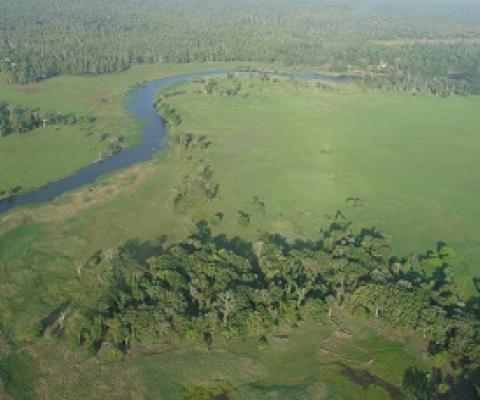
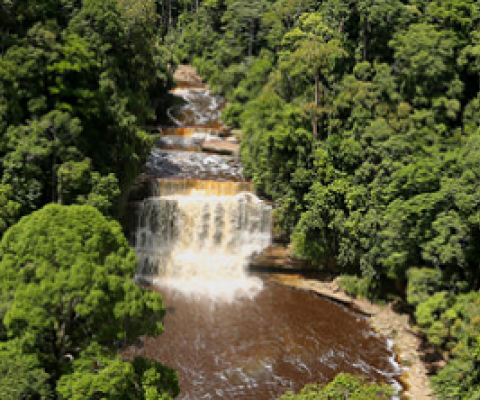
The smell of burnt vegetation and the red glow of flames welcome visitors these days to the Pantanal, the world's biggest tropical wetlands—a biodiverse paradise that is now partly reduced to ashes by record wildfires...The Pantanal sits at the southern edge of the Amazon rainforest, stretching f

by Sprep-Admin

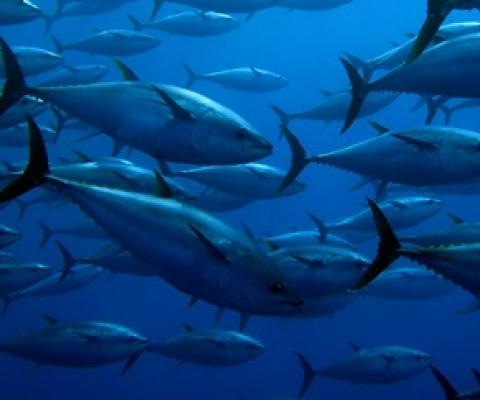
For the first time in history, a group of scientists documented the complete journey of a whale shark from Galapagos Island in Ecuador to Cocos Island in Costa Rica, highlighting the need for cutting-edge solutions to protect highly migratory species in the Eastern Tropical Pacific.

by Sprep-Admin

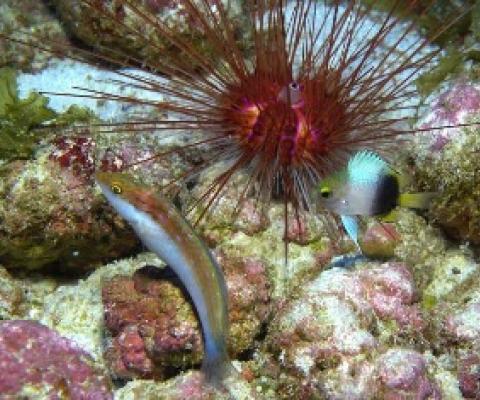
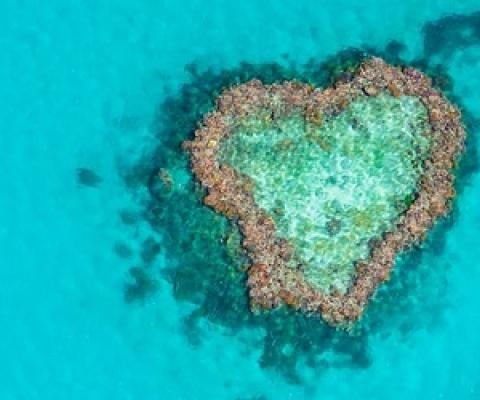
Our new study examined the traditional ideas of coral species and their evolutionary relationships using “phylogenomics” – comparing thousands of DNA sequences across coral species. Our results revealed the diversity and distributions of corals are vastly different to what we previ

by Sprep-Admin

In an effort to determine what organisms live in the Palau National Marine Sanctuary (PNMS), the Palau International Coral Reef Center (PICRC) will be using new technology called Environmental DNA (eDNA), according to the PNMS update published the beginning of this month. The approach, which

by Sprep-Admin

The Fisheries Protection Trust Fund, which is expected to help finance management of the Palau National Marine Sanctuary (PNMS), has risen close to $3 million, according to the PNMS update published by the Palau International Coral Reef Center (PICRC) last week. The goal of the fund is to re

by Sprep-Admin

For any West Coasters with a favourite old tree they would like to see saved for posterity from the chainsaw, now is the time to speak up. The group working on a new district plan for the Coast wants people to nominate special trees around the region that deserve a listing and possibly, prot

by Sprep-Admin

For once Britain's favourite naturalist is not here to celebrate the incredible diversity of life on Earth but to issue us all with a stark warning. The one-hour film, Extinction: The Facts, will be broadcast on BBC One in the UK on Sunday 13 September at 20:00 BST.

by Sprep-Admin

A new study in the Lancet finds our global population may never reach 10 billion. A population slowdown will pose challenges, but it could also give us a better chance of avoiding ecological collapse. Population slowdown is not a reason for concern, but rather for celebration.

by Sprep-Admin

In the second webinar of a series being organized by Pew and RESOLVE, a panel of scientific experts will discuss seabed mining’s impacts in the water column.

by Sprep-Admin

Slashing humanity’s reliance on fossil fuels will require billions of kilograms of metal: a single wind turbine can contain more than a metric ton of copper, and electric car batteries demand heaps of cobalt, nickel and manganese.

More News & Sources of Information

The following are excellent sources for the latest news, literature, webinars, videos and audio on marine protected areas, marine pollution, marine management, ocean and marine planning, ecosystem-based management, grants, jobs, and much more.  Click each icon to learn more and to subscribe.

Image

octo group


Image
marine ecosystems and management