The Pacific BioScapes Programme aims to strengthen the protection of key coastal ecosystems that support climate resilience, livelihoods and the human wellbeing of over 30,000 people in the Central Islands Province of the Solomon IslandsCall Number: [EL]Physical Descripti
The Pacific BioScapes is supporting local community monitoring of coastal ecosystem resilience on the islands of Maninita, Taula, Fangasito, Fonua'one'one, Mu'omu'a and Fua'amotu in the Vava'u group.
The Pacific BioScapes Programme aims to strengthen the sustainable use of marine and coastal biodiversity through effective Invasive Species Management in Kiribati.Call Number: [EL]Physical Description: 1 p.
The Pacific Region is home to approximately 25 per cent of the world's corals. Climate change, ocean acidification and pollution are having an impact on these reefs and large-scale responses to there threats are urgently needed.
Since 2003, Pacific Islands countries and territories have endorsed five-yearly iterations of the Pacific Islands Regional Marine Species Programme and Action Plans for whales and dolphins, marine turtles, seabirds, dugong and sharks and rays.
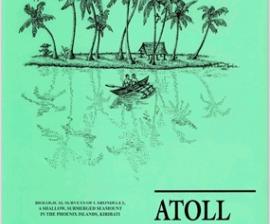
Carondelet is a remote seamount in the Phoenix Islands of the Republic of Kiribati. Earlier expeditions of the Phoenix Islands Protected Area (PIPA) were not able to survey the seamount due to challenging ocean conditions.
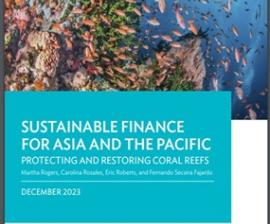
The Asian Development Bank (ADB) and The Nature Conservancy (TNC) are focused on identifying innovative ways to effectively protect and restore critical ecosystems, such as coral reefs, in Asia and the Pacific.
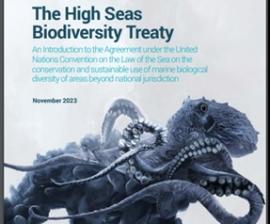
This introductory brief's target audience is professionals from governments, civil society, private sector, and other stakeholders who know multilateral processes and treaties but are not “BBNJ (biodiversity beyond national jurisdiction) experts”. It is an easier