At its sixth meeting the Conference of the Parties, in decision VI/7 A endorsed the draft guidelines for incorporating biodiversity-related issues into environmental impact assessment legislation and/or processes and in strategic environmental assessment.
Mangrove is a type of forest growing along tidal
mudflats and along shallow water coastal areas extending
inland along rivers, streams and their tributaries where
the water is generally brackish. The mangrove ecosystem
is dominated by mangrove trees as the primary producer
The Convention on Biological Diversity CBD recognises that humans are a major force in changing nature. Vast parts of the earth's surface are transformed to meet human needs and wants for agricultural production, water, energy, urbanisation, construction, tourism, transport and industry.
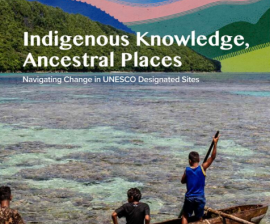
UNESCO’s new publication "Indigenous knowledge, ancestral places: navigating change in UNESCO designated sites" offers honest accounts of resilience from many different perspectives told byIndigenous Peoples whose territories intersect with UNESCO designated sites across t
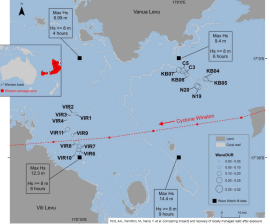
As the climate warms, coral reefs face more frequent and severe impacts from thermal stress while a greater proportion of tropical cyclones are expected to reach the strongest categories.
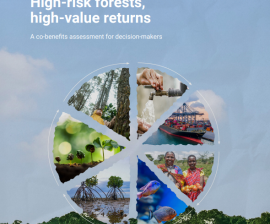
The report High-risk forests, high-value returns: A co-benefits assessment for decision-makers examines the global significance of conserving “high-risk forests” or tropical forests with high deforestation risk, covering about 391 million hectares.
Our planet is facing an unprecedented and accelerating biodiversity crisis, driven by human activity and compounded by climate change, which is bringing ever more severe weather to a world already strained by poverty and inequality.
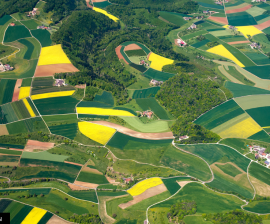
At World Trade Organization (WTO), the key characteristic according to which support to agricultural producers is classified is their ability to distort international trade rather than their incidence and impacts on social or environmental dimensions.
Assessments of coral reef biodiversity generally focus on corals and fishes, although there is a variety of other taxa that live within the structure of coral reefs.