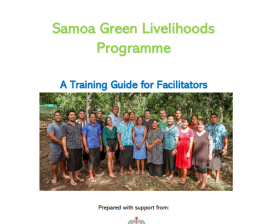
The Green Livelihoods project is being led by Samoa Conservation Society (SCS) with funding from the Civil Society Support Programme (CSSP). It has two objectives that are closely related to Samoa: 1.
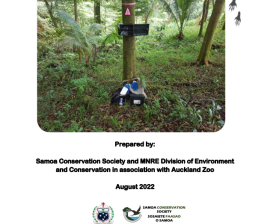
The purpose o the manual is provide practical guidance to technicians attempting to plan and control rodents (rats and mice) using poison baiting for biodiversity conservation purposes under Samoan forest conditions.
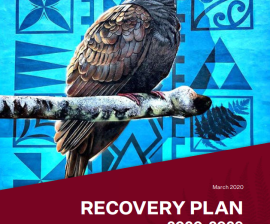
The critically endangered Manumea or Tooth-billed pigeon is found only in Samoa and is highly significant in its cultural heritage. The pigeon only lives within and on the edges of intact mature native forest.
This guide aims to help businesses navigate the rapidly evolving voluntary biodiversity credit (VBC) markets and decide whether and how to engage in VBCs.
Aim: To present a short, practical guide to integrate climate change mitigation (CCM) into Protected and Conserved Area (PCA) management and decision-making and as a companion to the WCPA technical report Enhancing climate change mitigation in protected areas.
This publication establishes a structured, rigorous standard for cross-referencing ecosystem types to the GET. It first reviews the need for reliable interoperability among ecosystem classifications and the role of the GET as a framework for synthesis.
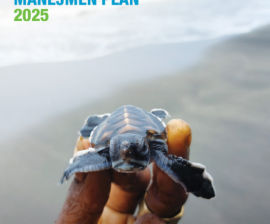
Bamboo Bay is an important turtle nesting site in Malekula especially for green and hawksbill turtles. The community has been monitoring and conserving turtles, their nests and hatchlings since the 1990s.
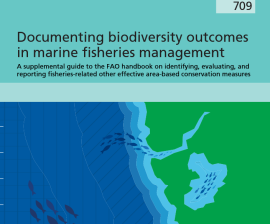
This guidance suggests actionable ways fisheries managers can utilize the types of survey and monitoring data generally being collected in priority areas (i.e.
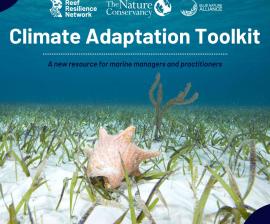
Climate change is rapidly transforming ocean conditions. Rising temperatures and shifting currents are disrupting ecosystems and causing marine species to move in new and often unpredictable ways.