Equitable ocean governance is critical, as the oceans are essential to the planetary system and global health.oceans cover 71% of Earth’s surface and are crucial to our planet’s life-support system.
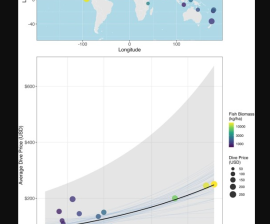
A prosperous blue economy in coastal areas requires operational models that clearly link ecological outcomes to economic returns. These models can support investment, planning, and the growth of non-extractive economies that benefit both coastal communities and the environment.
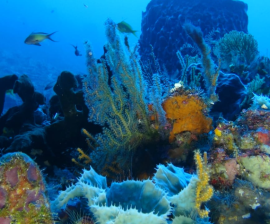
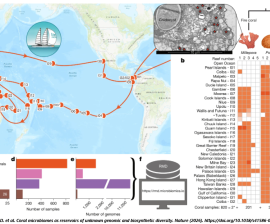
Coral reefs face catastrophic collapse. Thermal tipping points for widespread, irreversible dieback have already been passed at 1.2–1.4°C of global warming.
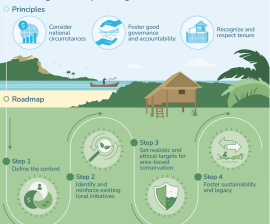
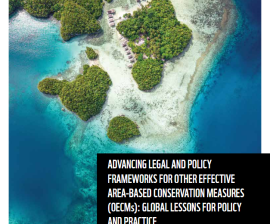
Target 3 of the Convention on Biological Diversity’s (CBD) Kunming-Montreal Global Biodiversity Framework calls for the protection of 30% of terrestrial areas, inland waters, and marine and coastal areas through area-based conservation (protected areas and other effective conservation measures) b
The Kunming–Montreal Global Biodiversity Framework (GBF) outlines targets for protecting and restoring biodiversity by 2030, with the vision of “living in harmony with nature” by 2050.
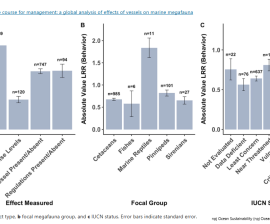
Vessel traffic represents one of the most pervasive and escalating sources of disturbance in marine environments, affecting organisms through noise, physical presence, habitat degradation, collisions, and pollution.
Last week, firecrackers went off around the world in celebration of the Lunar New Year. According to the Chinese zodiac, 2026 welcomes the year of the Fire Horse – a symbol of vitality, energy and momentum.
The world has four years left to achieve the Convention on Biological Diversity (CBD) Kunming–Montreal Global Biodiversity Framework Target 3, which calls for the conservation of at least 30% of planet Earth by 2030 (the 30×30 target).