The coastal zones of Small Island States are hotspots of human habitation and economic endeavour. In the Pacific region, as elsewhere, there are large gaps in understandings of the exposure and vulnerability of people in coastal zones.
We evaluate methods to calculate the economic value of protected areas derived from the improved mental health of visitors. A conservative global estimate using quality-adjusted life years, a standard measure in health economics, is US$6 trillion p.a.
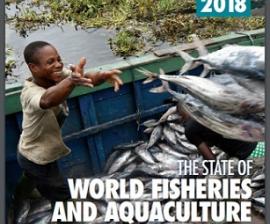
The State of World Fisheries and Aquaculture 2018 highlights the critical importance of fisheries and aquaculture for the food, nutrition and employment of millions of people, many of whom struggle to maintain reasonable livelihoods...The State of World Fisheries and Aquaculture is the only publi
To safeguard biodiversity effectively, marine protected areas (MPAs) should be sited using the best available science. There are numerous ongoing United Nations and nongovernmental initiatives to map globally important marine areas.
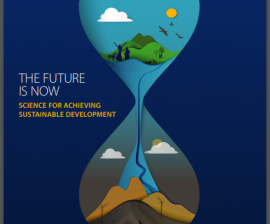
Despite considerable efforts these past four years, we are not on track to achieve the Sustainable Development Goals by 2030. We must dramatically step up the pace of implementation as we enter a decisive decade for people and the planet.
This paper reviews the provisions and efforts to implement the 1946 International Convention for the Regulation of Whaling (ICRW) and the 1980 Convention on the Conservation of Antarctic Marine Living Resources (CCAMLR).
Research on the coral-eating crown-of-thorns starfish (CoTS) has waxed and waned over the last few decades, mostly in response to population outbreaks at specific locations.
Increasing levels of carbon dioxide in the atmosphere put shallow, warm-water coral reef ecosystems, and the people who depend upon them at risk from two key global environmental stresses: 1) elevated sea surface temperature (that can cause coral bleaching and related mortality), and 2) ocean aci