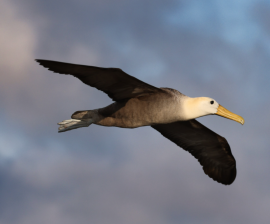
Animals that cross borders often encounter conservation systems that stop at them. Migratory species move through jurisdictions with little regard for political boundaries, relying on habitats spread across large distances and governed by different rules.
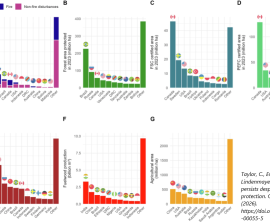
Forest loss is a significant global problem. Forest certification schemes and protected areas are two key approaches for improving forest conservation and management outcomes, but their effectiveness in reducing national-level forest loss remains unclear.
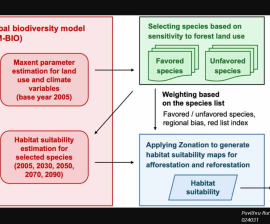
Afforestation and reforestation (AR) are effective strategies for large-scale carbon dioxide removal (CDR) and climate change mitigation, as they offer the potential to sequester vegetation and soil carbon. However, the expansion of AR raises concerns about the adverse impacts on biodiversity.
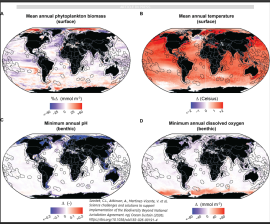
The Biodiversity Beyond National Jurisdiction (BBNJ) Agreement provides a new opportunity to consolidate and achieve global marine environmental goals. Here we focus on how science and technology will support its implementation.
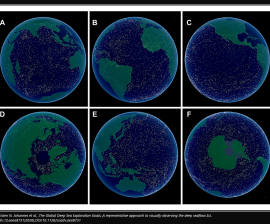
The Global Deep Sea Exploration Goals strategy is a spatially balanced, probability-based, actionable global sampling design identifying 10,000 target locations for deep-sea visual observation (≥200 m).
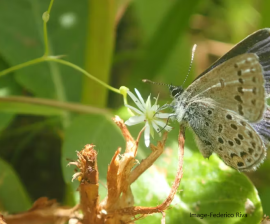
About 70 per cent of the species on Earth are insects. They are fundamental components of most ecosystems: they comprise half of the biomass on the planet, pollinate flowers, decompose dead organic matter and play multiple roles in food webs.
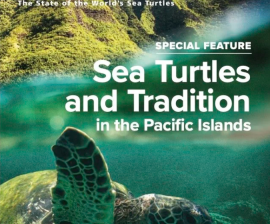
The 21st issue of SWOT Report features maps and a special article on sea turtles and traditions in the Pacific Islands written by experts in the region. Other articles include updated statuses of green turtle populations, Costa Rica’s newest arribada beach, and more.
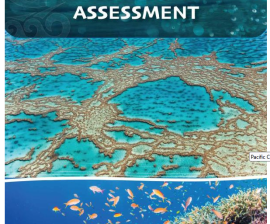
The assessment aligns with the Pacific Coral Reef Action Plan 2021–2030, supporting key action areas such as capacity building, habitat conservation, and research utilisation.