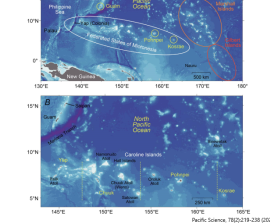
Knowledge of the habitat use and migration patterns of large sharks is important for assessing the effectiveness of large predator Marine Protected Areas (MPAs), vulnerability to fisheries and environmental influences, and management of shark–human interactions.
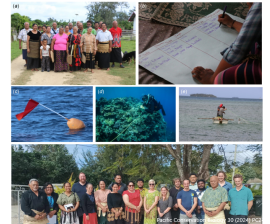
Engaging youth in early and sustained conservation education has important implications for promoting positive attitudes and behaviors in those who will become the future of conservation and management.
Tonga’s Special Management Areas (SMAs) have been widely supported by the people of Tonga as a successful approach to the comanagement of their fisheries and marine resources.
Aware of the critical need to halt, prevent and reverse ecosystem degradation, and to effectively restore degraded terrestrial, freshwater and marine ecosystems across the globe, through Resolution 73/284, the United Nations General Assembly declared 2021–2030 as the United Nations Decade on Ecos
The United Nations Decade on Ecosystem Restoration 2021–2030 (hereafter “UN Decade”) aims to prevent, halt and reverse ecosystem degradation and recover biodiversity, and ecosystem integrity; enhance human health and well-being, including sustainable delivery of ecosystem goods and services; and