Through BioScapes, turtle extinction risk assessments from the Pacific-European Union Marine Partnership (PEUMP) programme will be utilised to develop regional threat reduction activities for five species of marine turtles.
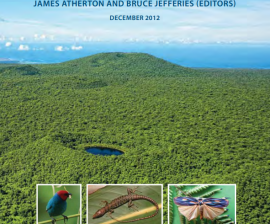
This BIORAP (Biological Rapid Assessment Program) survey was undertaken as part of the process to facilitate improved management of the forests and biodiversity of Upland Savaii.
The Biological Rapid Assessment Programme (BIORAP) is a biological survey based on a concept developed by Conservation International and designed to use scientific information to catalyse conservation action.
Climate change is rapidly transforming ocean conditions. Rising temperatures and shifting currents are disrupting ecosystems and causing marine species to move in new and often unpredictable ways.
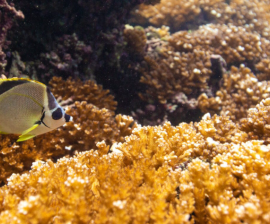
As ocean temperatures set new heat records, coral reef scientists are on a mission to identify which species and reefs can tolerate heat stress the best. But how and why do some corals cope with heat extremes better than others?
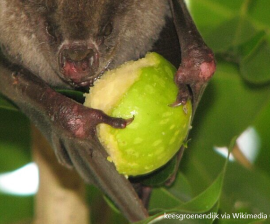
A lot of attention has been paid to the decrease in bee populations and other pollinators, but a recent review article makes the case that we should be equally alarmed by the declining numbers of seed-dispersing animals, which are crucial for growing healthy forests.
Length-weight parameters assist in the estimation of a fish’s biomass based upon assessment of length, providing value to many scientific and management applications.
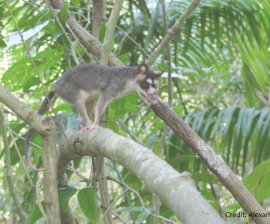
When night falls in Panama's forests, the time of the opossums begins. The marsupials, which have spent the day sleeping in trees, climb down the trunks and search for fruit, frogs or eggs on the ground. The omnivores often carry a hazardous parasite—the Chagas disease pathogen.