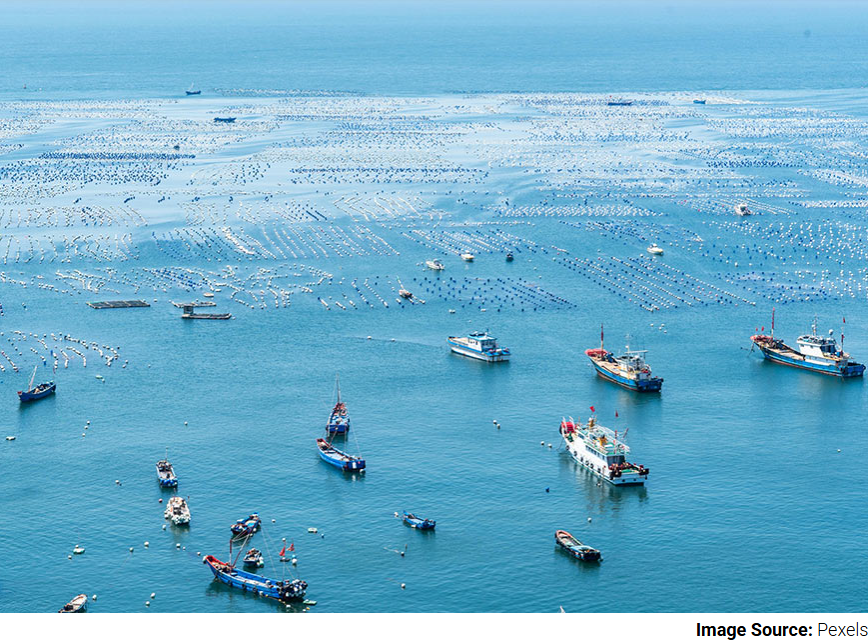
Global ocean governance is increasingly strained by the imbalance between the people who benefit from marine resources and the people who have to bear the costs. For example, industrial fishing fleets, often heavily subsidised, account for over 80 percent of global marine catch, while small-scale fisheries, which employ around 90 percent of the world’s fishers, receive a fraction of financial support and are more vulnerable to stock depletion and climate impacts. Climate change, maritime security, technological disruption, and the growth of the blue economy are all changing ocean spaces faster than governments can adapt. To fix this, there is a need to move beyond state-centred methods to more inclusive decision-making, ensuring that all have equal access to finance and technology, while holding people more accountable for their social and environmental impact.