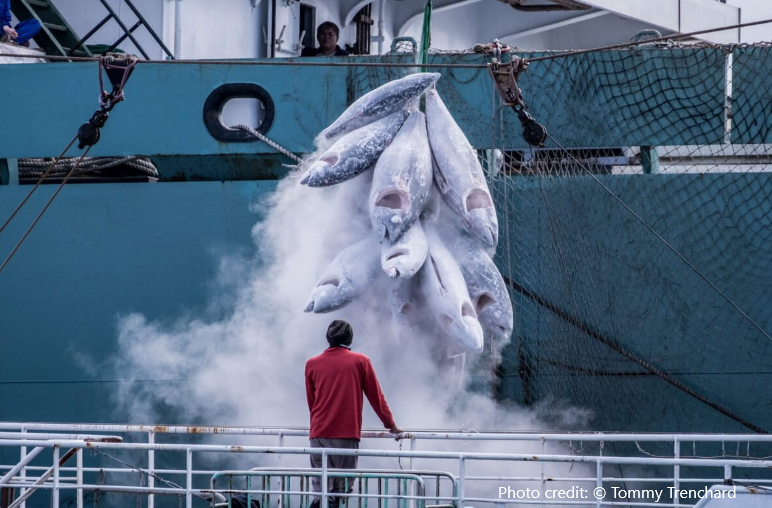
On paper, the sea is increasingly protected. Governments have designated vast marine protected areas (MPAs) and pledged to conserve 30% of the ocean by 2030. Maps shaded in reassuring blues now circulate widely. Yet the reality offshore often looks much the same as before. Industrial vessels still trawl through restricted waters, longliners set gear near vulnerable habitats, and sanctions for violations are sporadic. The problem is not a shortage of rules. It is the unevenness of enforcement.
Creating an MPA is politically attractive. It signals ambition at relatively modest cost, especially when the protected waters lie far offshore. Policing those areas is harder. Patrol vessels are expensive to operate, legal cases can drag on, and fisheries agencies are rarely flush with funds. In many countries, officials face a dilemma: announce new protections and earn international praise, or spend scarce resources enforcing existing ones and risk confrontation with powerful domestic interests.