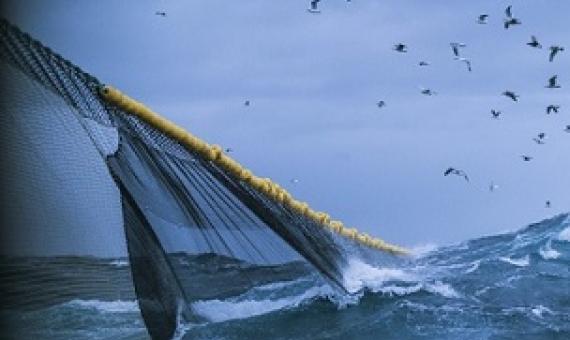
Greenpeace Taiwan is urging an expedited legislative review of the proposed Ocean Protection Act and the creation of a marine protected area (MPA) for sustainable fishing. In a press conference on Thursday (Feb.
Greenpeace Taiwan is urging an expedited legislative review of the proposed Ocean Protection Act and the creation of a marine protected area (MPA) for sustainable fishing. In a press conference on Thursday (Feb.
Sustainable tourism involves increasingly attracting visitors while preserving the natural capital of a destination for future generations. To foster tourism while protecting sensitive environ‐ ments, coastal managers, tourism operators, and other decision‐makers benefit from information about where tourists go and which aspects of the natural and built environment draw them to particular locations. Yet this information is often lacking at management‐relevant scales and in remote places. We tested and applied methods using social media as data on tourism in The Bahamas.
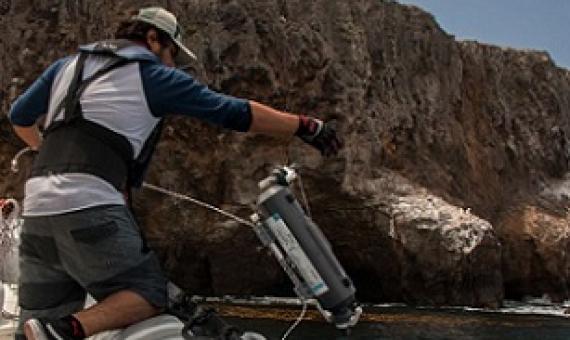
Researchers used to need to scuba dive to find out which fish live in any given area of the ocean.
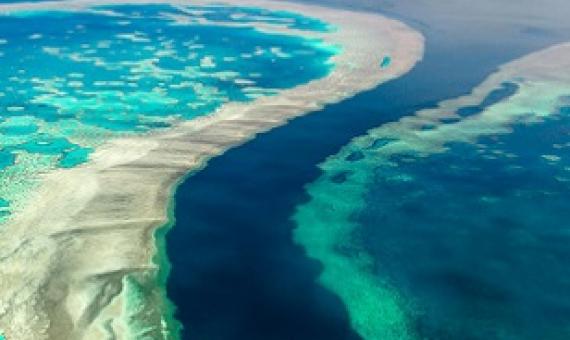
Last week Australia joined a new alliance of 40 countries pledging to protect 30% of the world's oceans by 2030 from pollution, overfishing, climate change and other environmental threats.

Palau International Coral Reef Center (PICRC) was invited to present the findings from their ecological survey on the Ngermedellim Marine Sanctuary. The PICRC presentation...focused on explaining the process of the ecological survey in the waters of Melekeok, as well as what the findings wer
Australia announced on Wednesday that it would step up in the fight to protect the world’s oceans from pollution, overfishing and changing climates, officially joining an ocean preservation coalition of close to 40 nations. Australia has now joined the likes of France, United
France has an important role and extensive responsibilities in protecting the world's oceans. It is the world's third
largest maritime power with an Exclusive Economic Zone (EEZ) covering 11 million km2, and has the fourth
largest area of coral reefs representing biodiversity hotspots.
According to a recent Nature Conservancy assessment, only 1% of marine areas (as against 12 % of all land
areas) are officially protected today, despite government commitments under the UN Convention on Biological
Scientists have advocated for local interventions, such as creating marine protected areas and implementing fishery restrictions, as ways to mitigate local stressors to limit the effects of climate change on reef-building coralsAvailable online.Call Number: [EL]Physical Description: 30 p
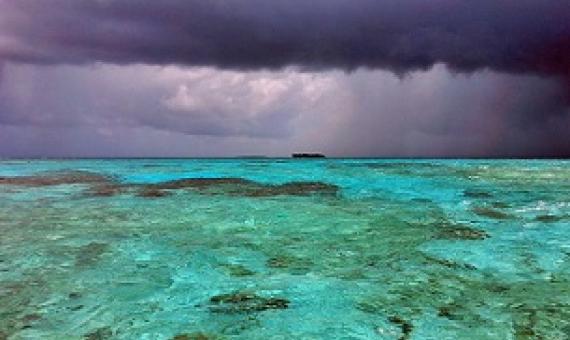
According to a new study published by scientists at UC-Santa Barbara and the California Department of Fish and Wildlife, MPAs, while unpopular in many commercial fishing circles because they prohibit fishing and harvest within their boundaries, have an overall positive benefit on region
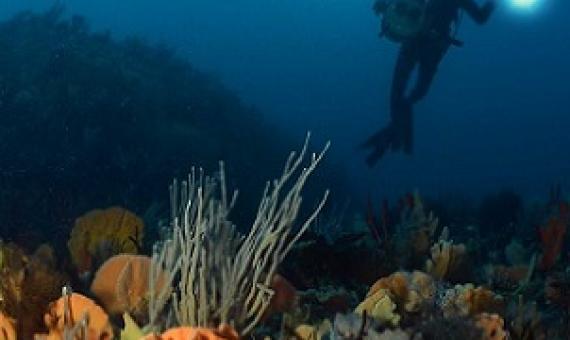
Tasmania, already well behind national and international targets for protecting marine areas, has no plans to lift a moratorium on new reserves, says the State Government...Professor Graham Edgar, a marine ecologist with the University of Tasmania, has spent the past 40 years studying MPAs in Tas