  • SPREP Home
  • Protected Areas
SPREP Home
Log in
Search
Home | PIPAP - Supporting the sustainable management of protected areas in the Pacific Region.
  • Data
    • Protected Areas
    • Key Biodiversity Areas
    • Management Effectiveness Dashboard
    • Spatial Data
  • Assistance
    • How SPREP Helps
    • WDPA Protected Area Registration
    • Protected Area Working Group
  • Resource Hub
    • Publications
    • Decision Making Support Tools
    • Case Studies
  • Newsletter
    • Browse Newsletter Archive
    • Subscribe Now
  • Account
    • Login

Main menu

  • Data
  • Assistance
  • Resource Hub
  • Newsletter
  • Account

Breadcrumb

Home

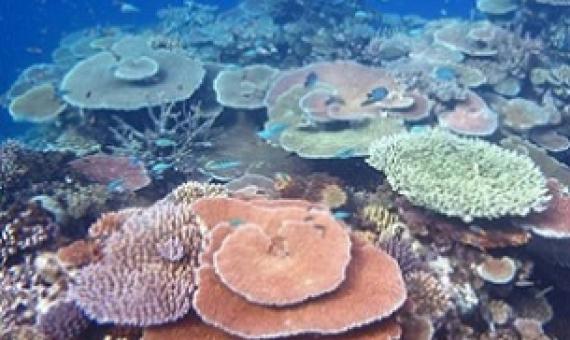
Great Barrier Reef, Australia. Credit - Australian Institute of Marine Science (AIMS)AIMS
Limited fishing zones support reef conservation
May 6, 2021

A world first study within the Great Barrier Reef Marine Park has found limited fishing zones (yellow zones) are still important conservation and fisheries management tools when paired with no-fishing zones.
  • Read more about Limited fishing zones support reef conservation
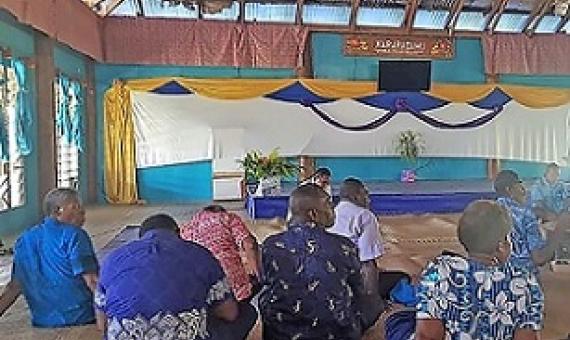
Traditional leaders from Nacula and Yasawa districts at the marine protected areas meeting with WWF. Picture: SUPPLIED
District heads to establish network
May 6, 2021

Heads of eight Nacula and Yasawa districts in the Ba Province have agreed to collaborate to explore opportunities to sustainably manage their traditional fishing grounds.
  • Read more about District heads to establish network
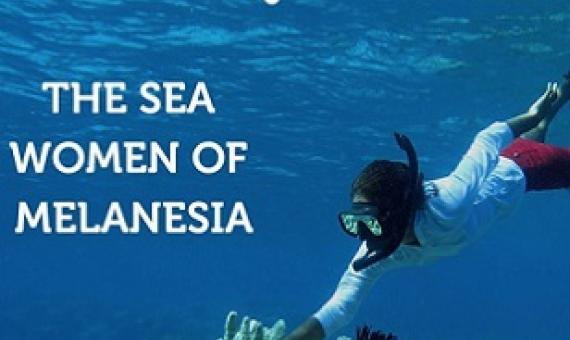
Sea Women of Melanesia. Credit - https://unicoconservationfoundation.org.au/
Women in Marine Conservation
April 30, 2021

Marine conservation requires collective participation from everyone.

  • Read more about Women in Marine Conservation
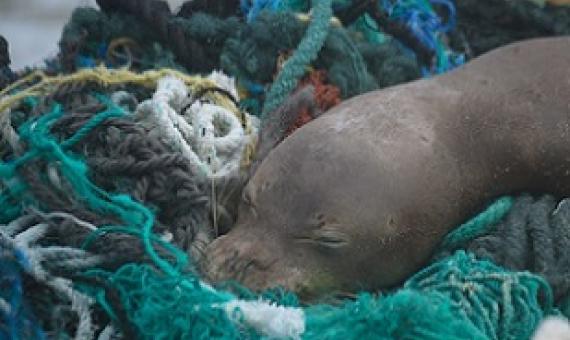
Juvenile Hawaiian Monk Seal. Credit - Matthew Chauvin, Papahānaumokuākea Marine Debris Project (PMDP)
47 Tons of Marine Debris Removed From Papahānaumokuākea
April 30, 2021

A team of scientists collected 47.2 tons of marine debris and successfully disentangled a Hawaiian monk seal, three black-footed albatross chicks and one ʻIwa (great frigatebird) after a 24-day expedition to Papahānaumokuākea Marine National Monument (PMNM).
  • Read more about 47 Tons of Marine Debris Removed From Papahānaumokuākea
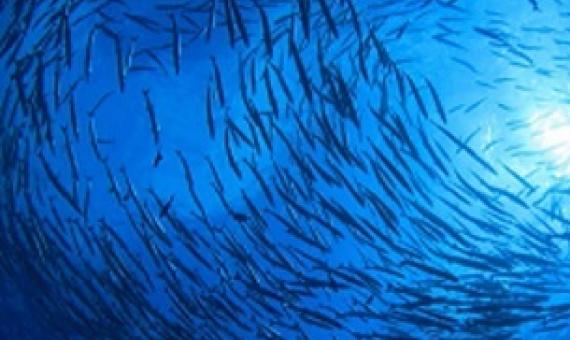
Marine protected areas
Marine protected areas become more than ‘paper parks’ with improved management
April 16, 2021

Marine protected areas (MPAs) now cover 8% of the world’s oceans and calls for an expansion to 30% by 2030 are laudable. It’s good news for efforts to conserve natural ecosystems and to ensure the sustainable use of our marine resources.
  • Read more about Marine protected areas become more than ‘paper parks’ with improved management
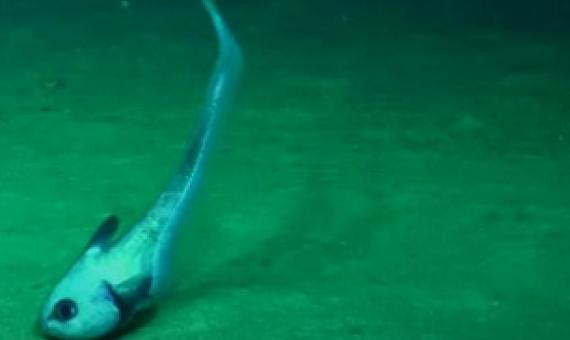
There could be animals in deep-sea reefs that have never been recorded before.(Supplied: Schmidt Ocean Institute)
Deep-sea reef study in the 'twilight zone' could uncover key lessons in conservation
April 16, 2021

Between the sunlit shallow waters of Australia's northern coastline and the darkest depths of the ocean floor lies a world between worlds — mesophotic coral ecosystems that could hold new information on reef conservation.
  • Read more about Deep-sea reef study in the 'twilight zone' could uncover key lessons in conservation
oceans
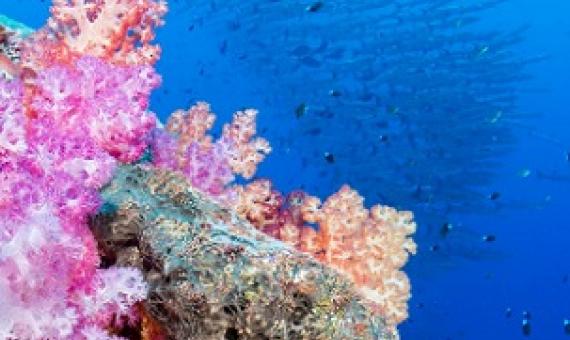
OCTO-UNEP-University of Queensland Survey on MPA challenges
April 10, 2021

This survey is gathering MPA practitioners’ questions on three of the biggest challenges facing the field: effectiveness, financing, and climate change and is the first part of a project by OCTO, UNEP, the University of Queensland, and partners to build practical, evidence-based, ‘
  • Read more about OCTO-UNEP-University of Queensland Survey on MPA challenges
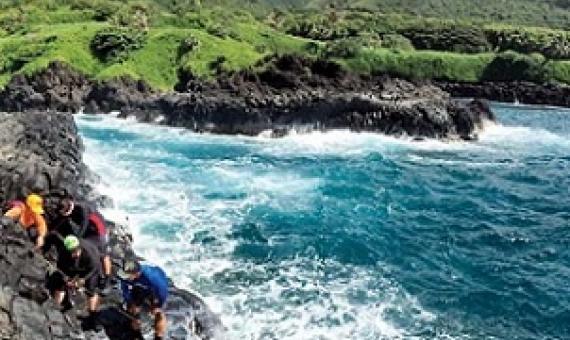
A coral reef in the waters off Palau. In the fiscal five years leading up to 2018, tourism generated up to 27% of Palau’s economy. Martin Strmiska/Getty Images
Protecting the World’s Oceans
March 25, 2021

In 2015, palau, a nation of more than 300 coral and volcanic islands in the western Pacific Ocean, expanded on decades of marine conservation to create a 193,000-square-mile protected area encompassing an extraordinary 80% of its ocean waters.
  • Read more about Protecting the World’s Oceans
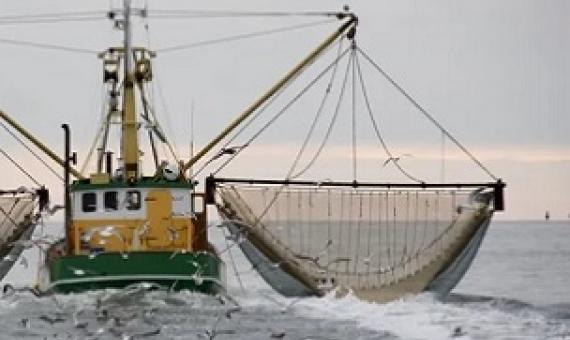
Volunteers conduct an opihi survey in Kipahulu Moku by Kipahulu Valley. The group Kipahulu ‘Ohana is proposing the creation of a community-based subsistence fishing area to regulate traditional harvesting and fishing. Photo courtesy of Scott Crawford
Nonprofit seeks protected fishing area for Kipahulu
March 25, 2021

East Maui residents are proposing the creation of a protected fishing area for Kipahulu to help regulate harvesting practices and increased foot traffic and to protect depleting resources that once fully sustained nearby communities.
  • Read more about Nonprofit seeks protected fishing area for Kipahulu
Through disturbing the sediment on the sea floor - the world's largest carbon sink - bottom trawling is thought to release a similar amount of carbon dioxide into the atmosphere as the aviation industryg. Credit - https://thefishsite.com/
Could funding MPAs offer a new system of blue carbon credits?
March 25, 2021

Funding the establishment of Marine Protection Areas (MPAs) – thus protecting them from activity by bottom-trawling vessels – could form an innovative new type of carbon credit scheme.


  • Read more about Could funding MPAs offer a new system of blue carbon credits?

Pagination

  • First page « First
  • Previous page ‹‹
  • …
  • Page 11
  • Page 12
  • Page 13
  • Page 14
  • Page 15
  • Page 16
  • Page 17
  • Page 18
  • Page 19
  • …
  • Next page ››
  • Last page Last »
Biodiversity and Protected Areas Management Programme Logo Organisation of African, Caribbean and Pacific States Logo Sprep BioScapes Logo Flag of European Union International Union for Conservation of Nature Logo European Commission Logo

SPREP Footer Logo

A resilient Pacific environment sustaining our livelihoods and natural heritage in harmony with our cultures.

+685 21929
sprep@sprep.org

  • SPREP on Facebook
  • SPREP on YouTube
  • SPREP on Twitter
Protected Areas by Country
  • American Samoa
  • Cook Islands
  • Fiji
  • French Polynesia
  • Guam
  • Kiribati
  • Marshall Islands
  • Micronesia (Federated States of)
  • Nauru
  • New Caledonia
  • Niue
  • Northern Mariana Islands
  • Palau
  • Papua New Guinea
  • Samoa
  • Solomon Islands
  • Timor-Leste
  • Tokelau
  • Tonga
  • Tuvalu
  • Vanuatu
  • Wallis and Futuna
SPREP © 2026. All rights reserved.