In recognition of the need for National Parks and protected areas in the South Pacific, the New Zealand Government hosted the First South Pacific Conference on National Parks and Reserves in 1975, in association with the South Pacific
The Gender-responsive Nature-based Solutions (NbS) Toolkit provides a comprehensive framework and practical guidance for integrating gender-responsive strategies into the planning, implementation, and management of NbS. Developed by Arup and Social
Ecotourism is a hot topic in the tourism industry in Fiji. This may help preserve important natural and culture sites and same providing income for land owners.
This United Nations-backed report, hosted by the Pacific Regional Environment Programme (SPREP) in collaboration with Australia’s environmental authorities, highlights critical insights from a comprehensive assessment of Fiji’s marine environment. Key findings include:
This nearly 70-page EIA, prepared for the Secretariat of the Pacific Regional Environment Programme (SPREP), investigates the Ok Tedi copper–gold mine’s impact on Papua New Guinea’s Fly–Ok Tedi River system.
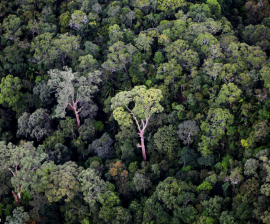
Heading into COP30, where tropical forests are set to be a central theme, it seemed worth looking today’s trajectories a little further forward and imagine where they might lead. Part1 looked at possible fates of tropical forests.
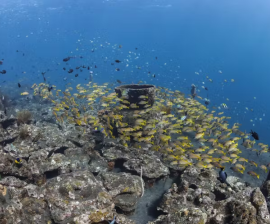
Over the past twenty years, coral reef restoration has seen unprecedented growth worldwide. From Indonesia to the Caribbean, thousands of projects have been launched with the goal of “saving” coral reefs - often by planting coral fragments or building artificial reef structures.
Deforestation and degradation rates remained stubbornly high in 2024, pushing the world even further off track from the shared goal of halting and reversing forest loss by 2030.
The project contributes to the Secretariat of the Pacific Regional Environment Programme (SPREP)’s component of the Management and Conservation of Blue Carbon Ecosystems (or MACBLUE) project, aiming to “contribute to human and technical capacity to the mapping, management and rehabilitation of co