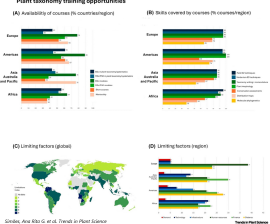
Plant taxonomy underpins biodiversity research and conservation, but global disparities in training and resources hinder progress, especially in biodiversity- rich regions.
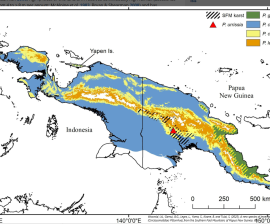
Based on distinctive morphological and vocal characters we describe a new species of jewel-babbler (genus Ptilorrhoa) from the forested karst of the Southern Fold Mountains in Papua New Guinea. The description is based on camera trap data and is presented in accordance with ICZN Declaration 45.
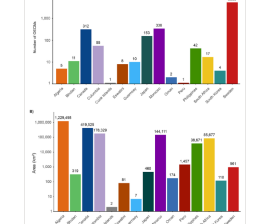
Other effective area–based conservation measures (OECMs) are anticipated to play an important role in progress towards global protection targets, with progress being judged on the basis of the areas reported to the World Database on Other Effective area-based Conservation Measures (WD-OECM).
This guide helps Fiji community leaders, community members and trainers mobilise community action to improve good governance and leadership in communities.
Delivering both social and ecological outcomes is regarded as essential for conservation actions to be effective, particularly in regions where Indigenous Peoples (IPs) and local communities (LCs) depend heavily on natural resources.
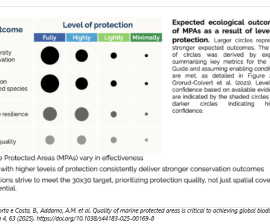
Summarising CBD target 3 to “30 × 30” emphasizes area coverage, but conservation success depends on MPA quality. Many existing MPAs are under-protected, and rapidly designating new areas risks creating ‘paper parks’ without ecological or social benefits.
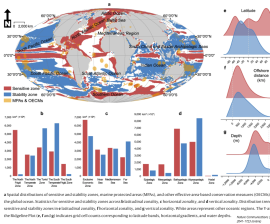
Global changes threaten marine species, making marine climate refugia essential for biodiversity conservation and climate change mitigation. Our analysis maps sensitive and stability zones across the global ocean.
Our planet is facing an unprecedented and accelerating biodiversity crisis, driven by human activity and compounded by climate change, which is bringing ever more severe weather to a world already strained by poverty and inequality.
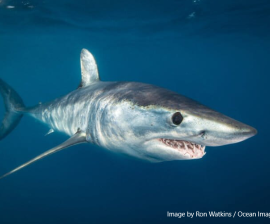
Sharks are some of the most threatened animals on Earth, with approximately one-third of all species assessed as threatened with extinction on the IUCN Red List.