Given global threats to biodiversity, implementing effective biodiversity offset policies is increasingly recognised as being essential for delivering sustainable development.
COP30 has come and gone, leaving behind a familiar mix of new commitments and renewed political promises. But amid the declarations of progress, one issue that received almost backhanded attention is the quiet abandonment of conservation projects after their high-profile launches.
Cette ressource est une compilation de notes
d’orientation fournissant des considérations pratiques
en matière d’égalité des sexes, de handicap et
d’inclusion sociale (GEDSI), dans une perspective
de solutions fondées sur la nature (SfN), pour les
This resource is a compilation of guidance notes that provide practical considerations for gender equity, disability and social inclusion (GEDSI) from a Nature-based solutions (NbS) perspective for Kiwa initiative new regional projects from 2025-2026.Call Number: [EL],613.10961 G
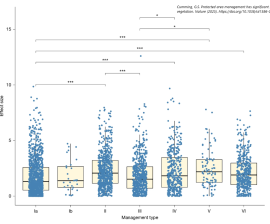
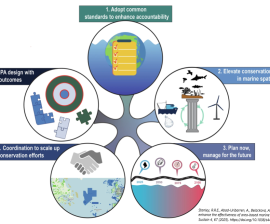
New research suggests that the rapid expansion of protected areas worldwide is giving a misleading picture of progress, with biodiversity continuing to decline inside many sites designated for protection.
The Kunming–Montreal Global Biodiversity Framework calls for rapid global expansion of protected areas in response to ongoing biodiversity loss and ecosystem degradation1. One of its strongest selling points is the benefits protected areas provide to adjacent human communities2,3.
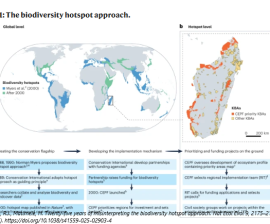
A quarter of a century after its publication, the biodiversity hotspot concept remains one of the most cited and influential frameworks in conservation science.
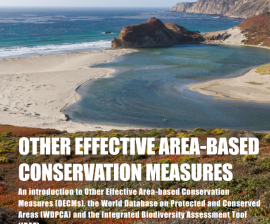
Area-based conservation has long been a cornerstone of efforts to conserve species and habitats, safeguard and enhance nature’s contributions to people, 1and improve the resilience of land and seascapes to climate change (Zeng et al. 2022; Brodie et al. 2023; Duncanson et al.
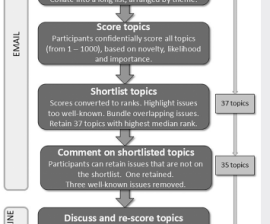
We present outcomes from our 17th horizon scan of issues potentially impacting global biodiversity conservation in the next decade. Issues are novel, or represent a significant step-change in impact, and are currently not well-known or understood within the conservation community.