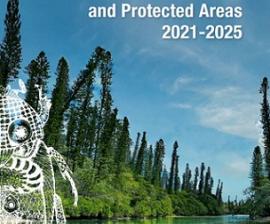
This Pacific Islands Framework for Nature Conservation and Protected Areas2021-2025 is the principal regional strategy document for environmental conservation in the Pacific.
If you’re one of the many people working from home because of coronavirus, you may have noticed your energy bills creeping up. But don’t worry – you can cut the cost of your gas and electric by becoming more energy efficient. Find out how with our top energy-saving tips.
During the first wave of the COVID-19 pandemic, management authorities of numerous Protected Areas (PAs) had to discourage visitors from accessing them in order to reduce the virus transmission rate and protect local communities.
The COVID-19 pandemic is having a major impact on conservation policies and practice at multiple scales, including protected and conserved areas (PCAs). There is a need to understand the implications for PCAs of recent actions, enacted or promoted in the wake of COVID-19.
Marine protected areas (MPAs) are a primary tool for the stewardship, conservation, and restoration of marine ecosystems, yet 69% of global MPAs are only partially protected (i.e., are open to some form of fishing).
Formal and semi-formal networks are emerging as effective, collaborative, and adaptable approaches for addressing complex, rapidly evolving ocean governance issues.
Systematic conservation planning identifies priority areas to cost-effectively meet conservation targets. Yet, these tools rarely guide wholesale declaration of reserve systems in a single time step due to financial and implementation constraints.