Island ecosystems are disproportionally impacted by biodiversity loss and as such their effective management is critical to global conservation efforts.
In ocean areas beyond national jurisdiction, various legal regimes and governance structures result in diffused responsibility and create challenges for management.
How can ocean governance and science be made more equitable and effective? The majority of the world’s ocean-dependent people live in low to middle-income countries in the tropics (i.e., the ‘tropical majority’).
Protected areas are central in strategies to conserve biodiversity. Effective area-based conservation relies on biodiversity data, but the current biodiversity knowledge base is insufficient and limited by geographic and taxonomic biases.
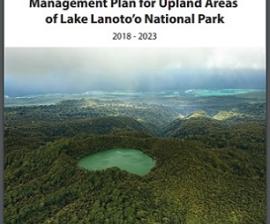
The management plan describes the priority strategies for the upland areas of the Lake Lanoto'o National Park that will nest maintain and improve the key conservation values in these areas by reducing the impact of threats including from climate change.
Global efforts to deliver internationally agreed goals to reduce carbon emissions, halt biodiversity loss, and retain essential ecosystem services have been poorly integrated.
Protected Area Management Effectiveness (PAME) can be defined as the extent to which management is protecting values and achieving goals and objectives.
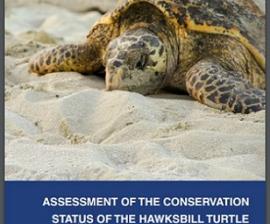
This document presents a synopsis of the current state of knowledge for hawksbill turtles in the western Pacific Ocean region, including biological and ecological knowledge of nesting and foraging populations, legislative provisions, and detailed recommendations and proposals for addressing ident