The Pacific region has witnessed some of humanity's greatest achievements. It is a vibrant tapestry of diverse cultures and languages and holds immense global significance for its biodiversity and geodiversity. Despite this, it remains very poorly represented on the UNESCO World Heritage List.
BioTIME is designed especially for scientific synthesis studies with research questions about global biodiversity. We believe that data is valuable and should be made usable.
Marine protected areas (MPAs) are essential for conserving marine biodiversity, ensuring sustainable fisheries, and maintaining the health of ocean ecosystems.
1. Societies around the globe harvest wild species, to a greater or lesser extent, for food, building materials, healthcare, medicines, pest control, ornamentation, income, recreation, and cultural and spiritual purposes.
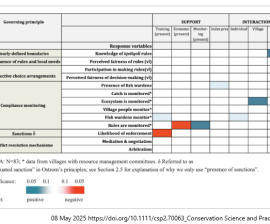
Community-based natural resource management is recognized as an effective area-based conservation approach. Accordingly, conservation organizations worldwide are providing support to local communities seeking to sustainably manage and use their local natural resources.
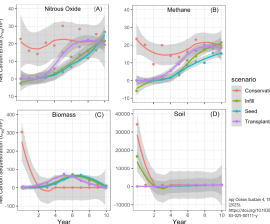
Seagrass habitats support biodiversity, improve water quality, protect coastlines, and sequester carbon, among other essential ecosystem functions, yet they are declining worldwide due to human activity.
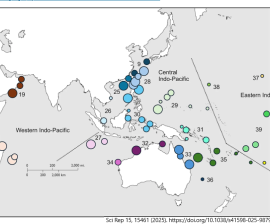
Documentation of biodiversity and its geographical distribution is necessary to understand the processes and drivers of evolutionary diversification as well as to guide conservation and management initiatives.
The evaluation of management effectiveness is generally achieved by the assessment of series of criteria (represented by carefully selected indicators) against agreed objectives or standards.