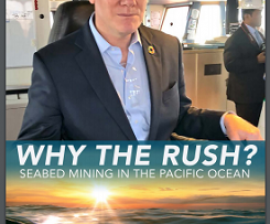
The Pacific Ocean is the scene of a new wild west. Companies and their investors, hungry for profits, are driving a speculative rush for seabed minerals. They are aided in this by donor government supported programs that promote the development of ‘responsible’ sea bed mining regulations.
This volume brings together rich insights of how biological diversity matters to people and their physical, mental and spiritual health and well-being, particularly in the context of a changing climate.
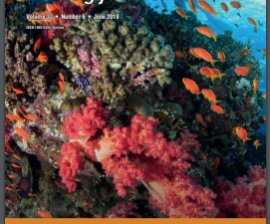
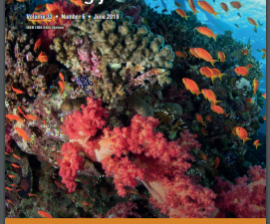
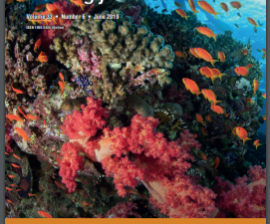
Coral reefs underpin a range of ecosystem goods and services that contribute to the well‐being of millions of people. However, tropical coral reefs in the Anthropocene are likely to be functionally different from reefs in the past.
For tropical forest carbon to be commoditized, a consistent, globally verifiable system for reporting and monitoring carbon stocks and emissions must be achieved.
Marine Protected Areas (MPAs) are being implemented worldwide, yet there are few cases where managers make specific predictions of the response of previously harvested populations to MPA implementation.
Our global analysis of nearly 1,800 tropical reefs reveals how the intensity of human impacts in the surrounding seascape, measured as a function of human population size and accessibility to reefs (“gravity”), diminishes the effectiveness of marine reserves at sustaining reef fish biomass and th