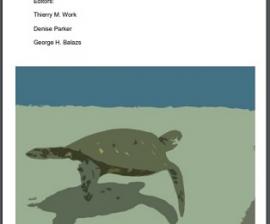
The 2020 IUCN/MTSG Regional Report for Sea Turtles in Oceania was recently finalized and approved. The report consists of 675 pages and was three years in the making. There are 25 chapters written by 23 dedicated knowledgeable authors and coauthors. For the purposes of this repor
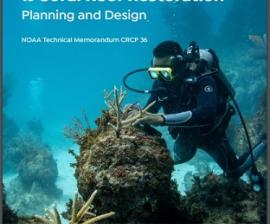
While coral reefs become increasingly degraded, new techniques are increasingly needed to assist reefs in recovering and adapting to changing environmental conditions.
Marine protected areas (MPAs) are conservation tools that are increasingly implemented, with growing national commitments for MPA expansion. Perhaps the greatest challenge to expanded use of MPAs is the perceived trade-off between protection and food production.
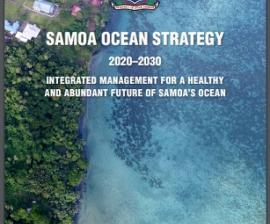
Samoa has long recognised the Pacific Ocean as a source of social and economic benefit which has sustained its communities for generations. The ocean remains a primary resource for food and livelihoods that requires responsible stewardship.
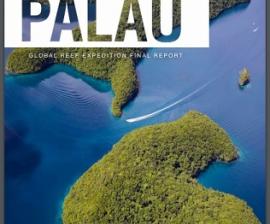
The Global Reef Expedition: The Kingdom of Palau Final Report provides a summary of the foundation’s findings along with valuable information on the state of coral reefs and reef f
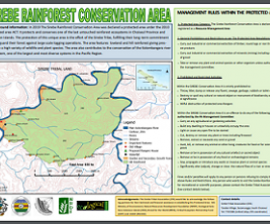
In 2019 The Sirebe Rainforest Conservation Area was declared a protected area under the 2010 protected area ACT. It protects and conserves one of the last untouched rainforest ecosystems in Choiseul Province and Solomon Islands.
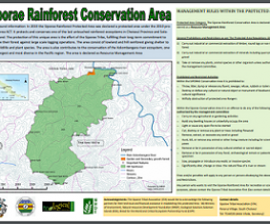
In 2019 the Siporae Rainforest Protected Area was declared a protected area under the 2010 protected area ACT. It protects and conserves one of the last untouched rainforest ecosystems in Choiseul Province and Solomon Island.
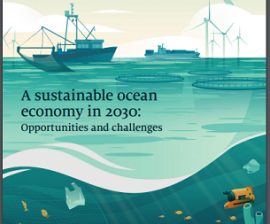
In this report the World Ocean Initiative assesses the challenges facing key sectors in the ocean economy, including seafood, shipping, tourism and renewable energy.
Well-managed and enforced no-take marine reserves generate important larval subsidies to neighboring habitats and thereby contribute to the long-term sustainability of fisheries.