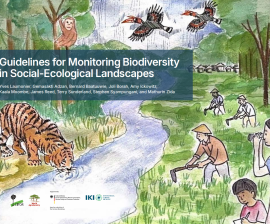
Despite playing an essential role in safeguarding food security, livelihoods, and human well-being, biodiversity is in precipitous decline globally with devastating social, environmental, and economic impacts (Pörtner et al. 2023).
Heading into COP30, where tropical forests are set to be a central theme, it seemed worth looking today’s trajectories a little further forward and imagine where they might lead. Part1 looked at possible fates of tropical forests.
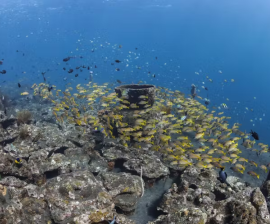
Over the past twenty years, coral reef restoration has seen unprecedented growth worldwide. From Indonesia to the Caribbean, thousands of projects have been launched with the goal of “saving” coral reefs - often by planting coral fragments or building artificial reef structures.
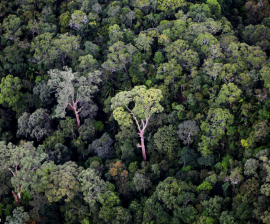
Deforestation and degradation rates remained stubbornly high in 2024, pushing the world even further off track from the shared goal of halting and reversing forest loss by 2030.
The project contributes to the Secretariat of the Pacific Regional Environment Programme (SPREP)’s component of theManagement and Conservation of Blue Carbon Ecosystems (or MACBLUE) project, aiming to “contribute to human and
The 9th issue of the EU Copernicus Ocean State Report is now available online, published alongside an interactive summary detailing key aspects of the report for policymakers, members of the Blue Economy, and the public.
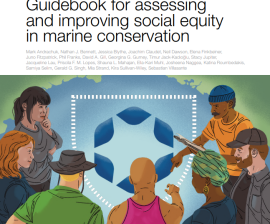
This guidebook is based on an understanding that social equity refers to fairness and justice with respect to the ways that people are recognised, treated, or impacted by conservation initiatives.
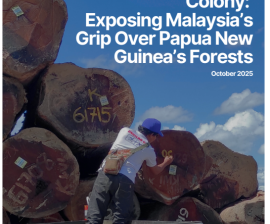
Papua New Guinea (PNG) is a major exporter of tropical logs worldwide. This report investigates the role of Malaysian companies and individuals in large-scale forest clearance in PNG through the misuse of Forest Clearing Authorities (FCAs).