Since Elton highlighted the problem of biological invasions, numerous studies have established their importance in the structural evolution of natural communities, in particular insular communities.
In an age of dramatic environmental and ecological challenges, the dynamics of sovereignty associated with the conservation of natural resources in Oceania are in flux.
Resource sustainability requires recognising and developing pathways to integrate local and Indigenous knowledges alongside conservation and sustainability sciences within management practices and governance.
Abandoned, lost or otherwise discarded fishing gear, also referred to as ALDFG or ghost gear, is the most harmful form of marine plastic litter for marine animals and habitats: it can impede safe navigation, damage beaches and reefs, and lead to economic losses for fisheries and other marine-depe
While there have been recent improvements in reducing bycatch in many fisheries, bycatch remains a threat for numerous species around the globe. Static spatial and temporal closures are used in many places as a tool to reduce bycatch.
Deciding when to protect threatened species habitat when complete knowledge about the habitat extent is uncertain is a common problem in conservation. More accurate habitat mapping improves conservation outcomes once that habitat is protected.
The coronavirus disease (COVID-19) pandemic has wrought unprecedented devastation on tourism in Asia and the Pacific. Tourism arrivals fell by 84% in 2020 compared to 2019, making it the worst affected region in the world.
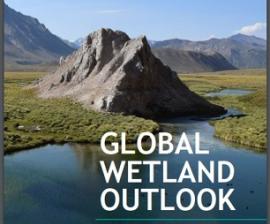
As an update to the 2018 Global Wetland Outlook, this special edition on the occurrence of the Convention’s 50th anniversary presents new findings on the status and value of wetlands globally, particularly in the context of the global pandemic, climate and biodiversity crises an