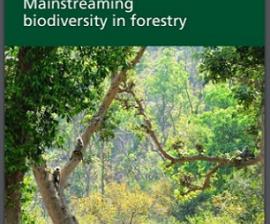
Forests are host to most of Earth’s terrestrial biodiversity. The conservation of the world’s biodiversity is thus utterly dependent on the way in which we interact with and use the world’s forests.
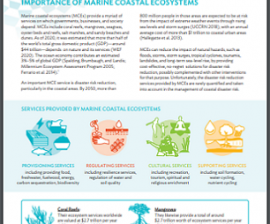
Marine coastal ecosystems (MCEs) provide a myriad of services on which governments, businesses, and society depend. MCEs include coral reefs, mangroves, seagrass, oyster beds and reefs, salt marshes, and sandy beaches and dunes.
Recognizing two decades of failure to achieve global goals and targets, parties to the Convention on Biological Diversity are in the final phase of negotiating a Post- 2020 Global Biodiversity Framework for the conservation, sustainable use and benefit sharing of biodiversity.
Healthy mangrove ecosystems are critical for global climate action – playing a key role in carbon storage and in building resilience to a rapidly warming world.
Other effective area-based conservation measures (OECMs) represent unique opportunities to help achieve the 2030 biodiversity conservation agenda. However, potential misuse by governments and economic sectors could compromise the outcome of these conservation efforts.
Marine traffic is increasing globally yet collisions with endangered megafauna such as whales, sea turtles, and planktivorous sharks go largely undetected or unreported. Collisions leading to mortality can have population-level consequences for endangered species.
The World Database on Protected Areas (WDPA) is the most comprehensive global database of marine and terrestrial protected areas, updated on a monthly basis, and is one of the key global biodiversity data sets being widely used by scientists, businesses, governments, International secretariats an
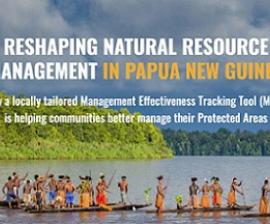
The growing need for effective tools and new approaches for natural resource management (NRM) is being met by PNG’s NRM Hub initiative, which is already helping to centralise environmental data and make it accessible to stakeholders everywhere.
This Technical Note provides advice to managers of protected and conserved areas1 (PCAs) for applying a ‘One Health’ approach for the benefit of environmental, animal, and human health.