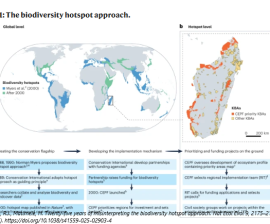
A quarter of a century after its publication, the biodiversity hotspot concept remains one of the most cited and influential frameworks in conservation science.
Area-based conservation has long been a cornerstone of efforts to conserve species and habitats, safeguard and enhance nature’s contributions to people, 1and improve the resilience of land and seascapes to climate change (Zeng et al. 2022; Brodie et al. 2023; Duncanson et al.
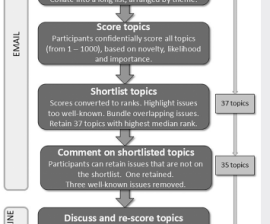
We present outcomes from our 17th horizon scan of issues potentially impacting global biodiversity conservation in the next decade. Issues are novel, or represent a significant step-change in impact, and are currently not well-known or understood within the conservation community.
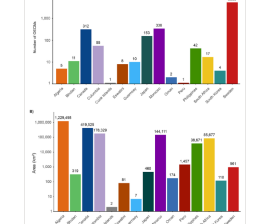
Other effective area–based conservation measures (OECMs) are anticipated to play an important role in progress towards global protection targets, with progress being judged on the basis of the areas reported to the World Database on Other Effective area-based Conservation Measures (WD-OECM).
Delivering both social and ecological outcomes is regarded as essential for conservation actions to be effective, particularly in regions where Indigenous Peoples (IPs) and local communities (LCs) depend heavily on natural resources.
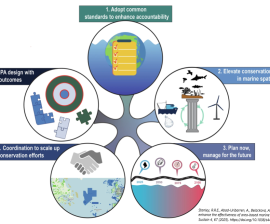
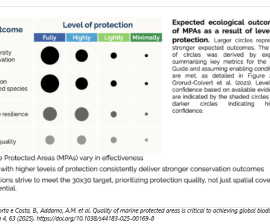
Summarising CBD target 3 to “30 × 30” emphasizes area coverage, but conservation success depends on MPA quality. Many existing MPAs are under-protected, and rapidly designating new areas risks creating ‘paper parks’ without ecological or social benefits.
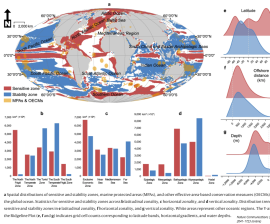
Global changes threaten marine species, making marine climate refugia essential for biodiversity conservation and climate change mitigation. Our analysis maps sensitive and stability zones across the global ocean.
Our planet is facing an unprecedented and accelerating biodiversity crisis, driven by human activity and compounded by climate change, which is bringing ever more severe weather to a world already strained by poverty and inequality.