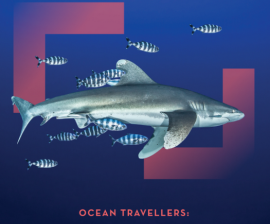
This report presents the first global overview of Important Shark and Ray Areas (ISRAs) for species listed under the Convention on the Conservation of Migratory Species of Wild Animals (CMS) and its daughter agreement, the Memorandum of Understanding for the Conservation of Migratory Sharks (Shar
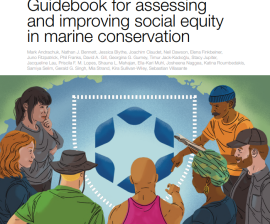
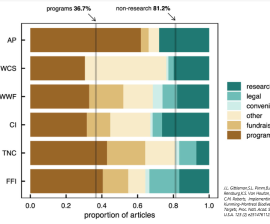
his guidebook is based on an understanding that social equity refers to fairness and justice with respect to the ways that people are recognised, treated, or impacted by conservation initiatives.
As the recent seizure of more than 5,000 endemic ants in Kenya reveals, ants have become part of a thriving global wildlife trade. Transnational traffickers are mopping up ants from the wild to sell them to hobbyists and collectors worldwide.
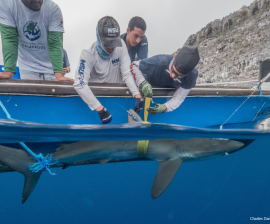
The limited range of marine protected areas (MPAs) offers reduced protection to vulnerable species such as the highly mobile silky shark (Carcharhinus falciformis).
The Kunming-Montreal Biodiversity Targets present the most ambitious and serious conservation agenda ever developed—the overarching goal of preserving 30% of the planet by 2030.
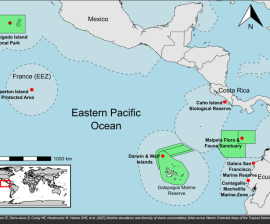
Marine Protected Areas (MPAs) in the Tropical Eastern Pacific (TEP) support globally distinct reef fish populations, which exhibit differences between the remote oceanic islands and continental coast.
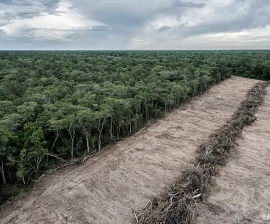
Given global threats to biodiversity, implementing effective biodiversity offset policies is increasingly recognised as being essential for delivering sustainable development.
COP30 has come and gone, leaving behind a familiar mix of new commitments and renewed political promises. But amid the declarations of progress, one issue that received almost backhanded attention is the quiet abandonment of conservation projects after their high-profile launches.
New research suggests that the rapid expansion of protected areas worldwide is giving a misleading picture of progress, with biodiversity continuing to decline inside many sites designated for protection.