Rigorous analysis of opportunities to expand nature conservation can help determine where natural capital could have the biggest impact on climate, jobs, and health.
This report – the second in a series of International Labour Organization (ILO)–United Nations Environment Programme (UNEP)–International Union for the Conservation of Nature (IUCN) publications on decent work in nature-based solutions (NbS) – aims to improve the understanding of the role of NbS
The Global Biodiversity Standard is the world’s most scientifically rigorous biodiversity certification that recognises and promotes the protection, restoration, and enhancement of biodiversity.
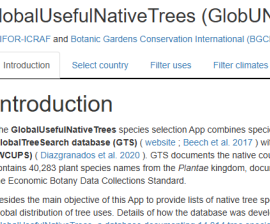
The GlobalUsefulNativeTrees species selection App combines species data from the Botanic Gardens Conservation International GlobalTreeSearch database (GTS) ( website ; Beech et al. 2017 ) with data available from the World Checklist of Useful Plant Species (WCUPS) ( Diazgranados et al. 2020 ).
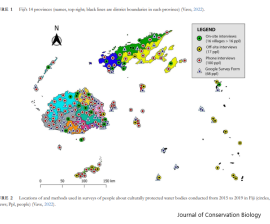
Globally, protected areas associated with sacred sites and cemeteries are an emerging area of research. However, they are biased toward terrestrial systems.
Despite their critical role in mitigating climate change and providing essential ecosystem services, peatlands face significant threats and remain among the most poorly understood and under-monitored ecosystems globally.
Conflict and conservation focuses on armed conflict and nature. The theme is highly timely as armed conflicts cause great economic and social harm, as well as environmental damage around the world.
In 2021, IUCN launched the IUCN Flagship Report Series, to help demonstrate the importance of conserving nature for human well-being and all life on Earth. This report, the second in the series, focuses on agriculture and nature.
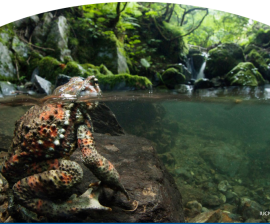
Inland waters – such as rivers, lakes and other wetlands – are among the most biodiverse ecosystems on the planet. They are also the most threatened; almost one in three species is at risk of extinction and monitored populations of freshwater species have declined by 85% since 1970.
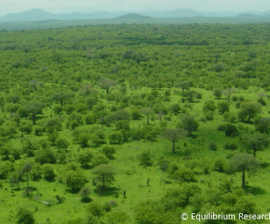
Natural ecosystems slow the rate of climate change by sequestering and storing greenhouse gases. They also help us adapt to changes by providing a variety of ecosystem services, supporting food and water security, disaster risk reduction and human health.