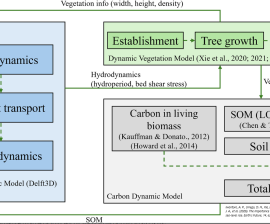
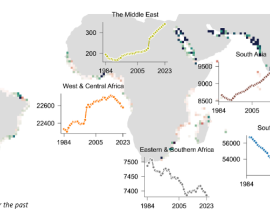
As efficient carbon sinks, mangrove forests are crucial for climate change mitigation. However, their vulnerability to sea-level rise (SLR) and human activities influencing sediment supply introduces significant uncertainty regarding their future carbon storage capacity.
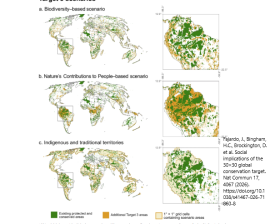
Last month, the world marked the International Day of Biological Diversity at an extraordinary moment when political will, global targets, funding, and capacity are aligned to scale up protected and conserved areas globally.
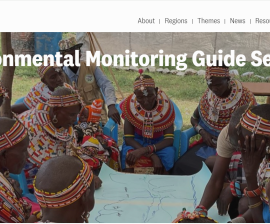
The Transformative Pathways project has created a series of four guides on environmental monitoring, both for local organisations who are supporting Indigenous Peoples and local communities, and for communities themselves.
For a realm that covers most of the planet, the ocean attracts a modest share of charitable attention. In philanthropic terms, it remains a niche cause: widely discussed, but thinly financed. That gap has narrowed in recent years, though only slightly and from a low base.
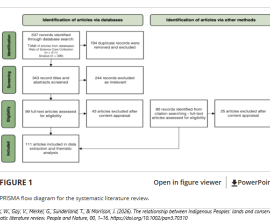
A growing body of peer-reviewed literature is focused on the relationship between Indigenous Peoples' lands (Indigenous lands) and conservation outcomes.
he adoption of the BBNJ Agreement concluded a decades-long dispute over how MGRs of ABNJ should be legally classified and how benefits, particularly monetary benefits, derived from the utilisation and commercialisation of these MGRs, should be shared.
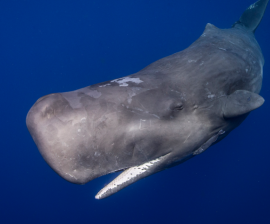
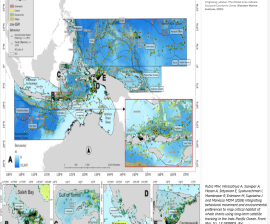
Understanding the spatial ecology of wide-ranging marine megafauna is essential for identifying critical habitats and designing effective conservation strategies.